

Autos & Insurance

Reviewing Your Auto Policy at Renewal: A Practical Checklist

Share
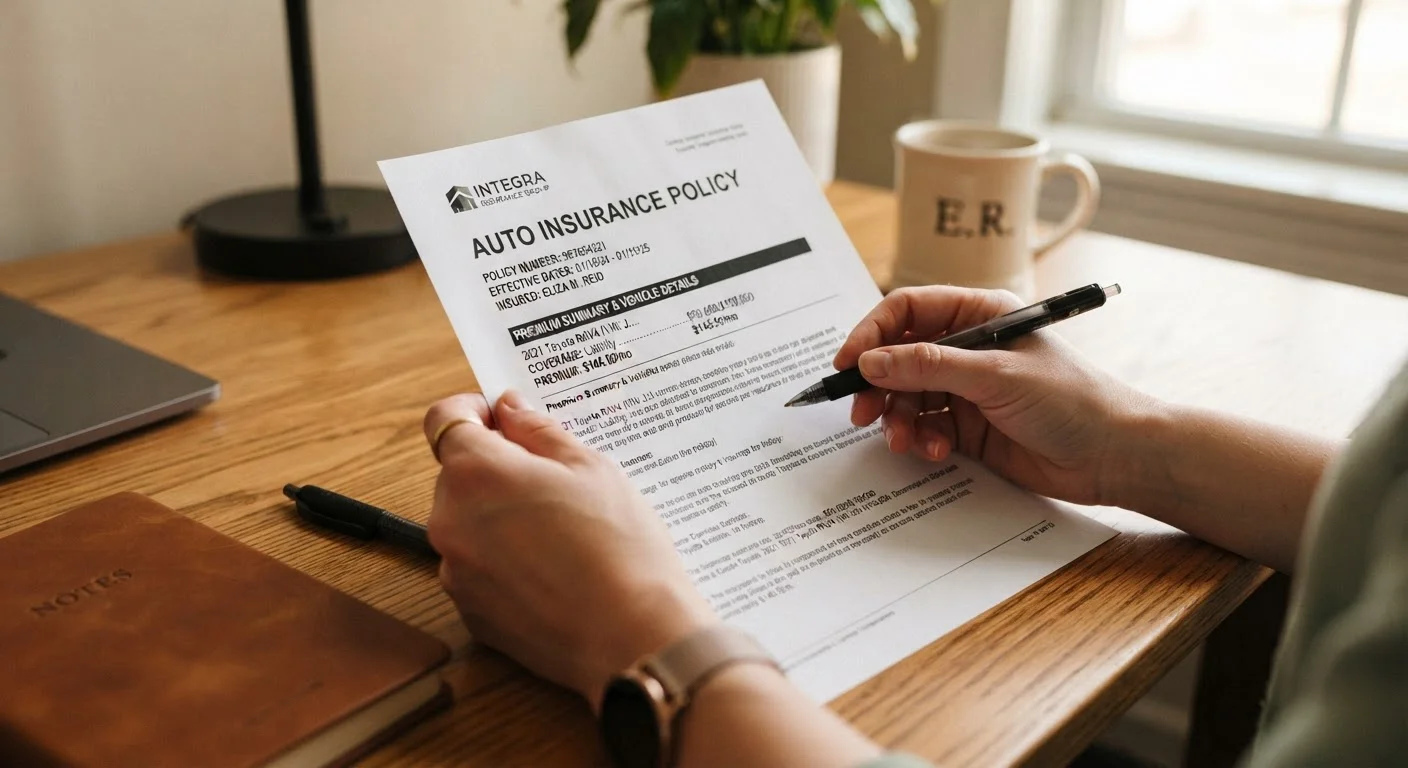
Person reviewing an auto insurance policy document at a desk with a pen in hand

Key Takeaways

Your life circumstances change year over year — your policy should reflect that.
Renewal is the best low-friction moment to adjust coverage without mid-term fees.
Checking your vehicle's current value helps you avoid overpaying for coverage you may not need.
Deductible levels, liability limits, and discount eligibility all deserve a fresh look each year.
A coverage gap — even a brief one — can trigger higher premiums and legal consequences.
20–45 min

Summary

18 items · 20–45 minutes

Why Renewal Is the Right Moment to Review

Most drivers receive their renewal notice and either ignore it or pay the updated premium without a second thought. That habit can be costly. Life changes — a new vehicle, a change in your commute, a teenager added to the household — affect what coverage makes sense for you. Renewal is the natural checkpoint where adjustments can typically be made without mid-term penalties.

This checklist walks you through every meaningful dimension of your policy so nothing goes unexamined. Work through it before you confirm your renewal, not after. If you want guidance on preparing for a conversation with your insurer, see how to have a more informed conversation with your insurance agent.

Personal & Household Changes

Confirm that all drivers in your household are listed on the policy, including anyone who has reached driving age since last renewal. Must
Remove drivers who no longer reside in your household or who have obtained their own separate policy. Must
Update your primary address if you've moved, since your location directly affects your premium and coverage eligibility. Must
Report any changes in how the vehicle is used — such as switching from a daily commute to occasional personal use — which can affect your rate category. Should

Vehicle Information

Verify that the correct vehicle(s) are listed, including year, make, model, and VIN, and remove any vehicles you no longer own. Must
Look up your vehicle's current market value using a reliable valuation resource to determine whether comprehensive and collision coverage still makes financial sense. Should
Check whether your vehicle is now paid off — if so, any lender-required coverage minimums no longer apply, giving you more flexibility. Should

Coverage Limits & Deductibles

Review your bodily injury and property damage liability limits to confirm they are adequate for your current financial situation and local legal requirements. Must
Assess your deductible amounts for collision and comprehensive coverage and consider whether adjusting them aligns with what you could realistically pay out of pocket after a claim. Should
Check your uninsured/underinsured motorist coverage limits, particularly if you live in an area with a high rate of uninsured drivers. Should
Review medical payments or personal injury protection (PIP) coverage to ensure it reflects any changes in your health insurance situation. Should

Discounts & Eligibility

Ask your insurer to run a full discount review — many policyholders qualify for discounts they haven't claimed, such as low-mileage, safe driver, or multi-policy discounts. Should
Confirm whether bundling your auto policy with renters or homeowners coverage would reduce your overall premium. Nice to have
Check whether a defensive driving course completed since your last renewal qualifies you for a discount. Nice to have

Add-Ons & Optional Coverages

Review any optional add-ons such as roadside assistance, rental reimbursement, or gap coverage, and determine whether you still use or need them. Should
If you're planning a long road trip or extended travel, check whether your policy includes adequate rental and travel disruption protection before you go — see preparing your car for a long road trip for a related pre-trip checklist. Nice to have

Policy Documents & Records

Confirm that your insurer has your current contact information, including email and phone number, so renewal notices reach you reliably. Must
Save or print a copy of your updated declarations page once the renewal is finalized and store it with your vehicle documents. Should

Tools You'll Need for This Review

Gathering the right documents before you start will make this process faster and more accurate. You don't need specialized software — just organized access to a few key sources of information.

Required

Current Declarations Page

Your existing declarations page lists all current coverage types, limits, deductibles, and drivers — the baseline for your review.

Required

Vehicle Valuation Resource

A vehicle valuation tool helps you determine your car's current market value, which informs decisions about collision and comprehensive coverage.

Required

Renewal Notice or Quote

The renewal notice shows your upcoming premium, any coverage changes proposed by the insurer, and any new discount opportunities.

Required

Household Driver Information

Collect license numbers and driving records for all household drivers to verify they are correctly listed on the policy.

Optional

Loan or Lease Payoff Statement

If you finance or lease your vehicle, this document clarifies whether lender-required coverage minimums still apply.

Key Risks to Watch During Your Review

A policy review isn't just about finding savings — it's equally about identifying gaps that could expose you financially. Two situations in particular deserve special attention.

Underinsured Liability Can Have Serious Consequences

State minimum liability limits are often far lower than actual costs following a serious accident. If a claim exceeds your coverage limits, you may be personally responsible for the difference. Review your liability limits critically — not just against the legal minimum, but against your actual assets and financial exposure. Consulting a licensed insurance professional can help you assess the right level of protection for your situation.

Don't Let Your Policy Lapse at Renewal

A gap in coverage — even for a few days between renewal periods — can result in higher future premiums, a reinstatement fee, and potential legal liability if you're in an accident while uninsured. If you're considering switching insurers, make sure your new policy's effective date overlaps with or immediately follows the expiration of your current one. Never cancel before a replacement policy is confirmed and active.

If you're also managing a broader financial review this year, it's worth treating your insurance check-up the same way you'd approach an annual savings health check — structured, deliberate, and tied to what's actually changed in your life. For more on the consequences of letting coverage slide, see our article on what happens when your auto insurance lapses.

Autos & Insurance Editorial Team is the collective byline for our editorial team and contributor network. Articles published under this byline or an editorial pen name are researched, written, and reviewed according to our editorial standards for clarity, consistency, and independence before publication.

View all articles by Autos & Insurance Editorial Team →
Disclaimer: The content on this site is for informational purposes only and is not a substitute for professional advice. Always consult a qualified professional for guidance specific to your situation.