

Key Takeaways
Chronic Stress
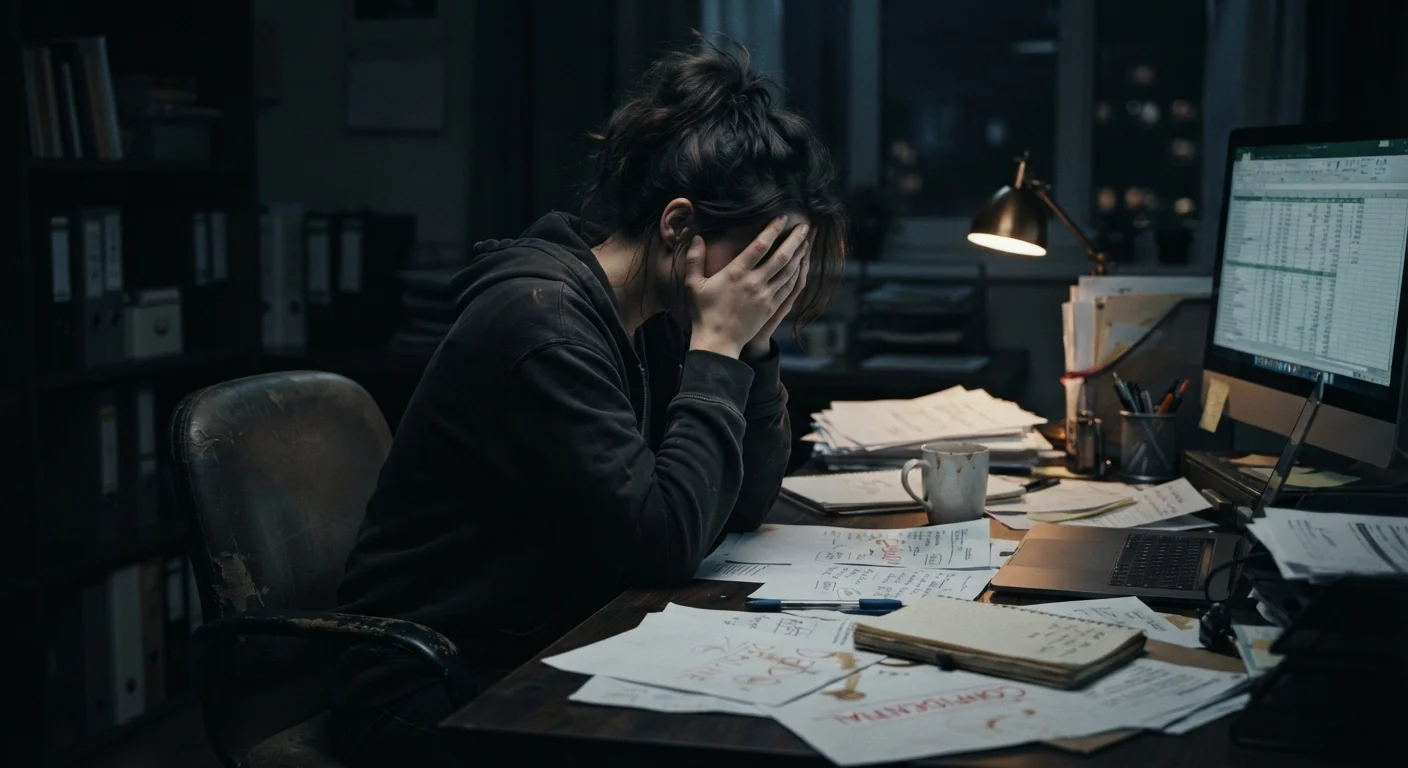
Chronic stress is a state of prolonged psychological and physiological tension that persists over weeks, months, or longer. Unlike acute stress - which is short-lived and can even be helpful - chronic stress keeps the body's alarm system activated without adequate recovery. Over time, this sustained pressure wears down nearly every system in the body.
Physiologically, chronic stress is associated with persistently elevated cortisol and catecholamine levels, which dysregulate the hypothalamic-pituitary-adrenal (HPA) axis and trigger systemic inflammation.
How the Body Responds to Ongoing Stress
When you encounter a threat - real or perceived - your brain triggers the release of stress hormones, primarily cortisol and adrenaline. This prepares the body to act: heart rate rises, muscles tense, digestion slows, and the immune system briefly sharpens. In short bursts, this response is protective.
The problem begins when the trigger never fully resolves. With chronic stress, the body never receives a reliable signal to stand down. Cortisol remains chronically elevated, and the systems meant to be temporarily suppressed - digestion, immunity, reproductive function - stay in a compromised state indefinitely.
This isn't metaphorical wear and tear. Research has linked sustained cortisol elevation to measurable changes in blood pressure, blood sugar regulation, arterial inflammation, and gut microbiome balance. The body is built to sprint, not to run indefinitely at high alert.
77%
Adults who report physical stress symptoms
According to the American Psychological Association's Stress in America survey, a large majority of U.S. adults report experiencing physical symptoms they attribute to stress.
2-3×
Increased cardiovascular risk with chronic stress
Research published in cardiovascular and epidemiological literature suggests chronically stressed individuals face meaningfully higher cardiovascular risk compared to lower-stress peers.
40%
Of adults report stress-related sleep disruption
The APA's Stress in America data consistently shows a significant proportion of adults say stress causes them to lie awake at night.
The Mind Under Pressure: Cognition and Emotional Health
Chronic stress is perhaps most visible in how people think and feel. The prefrontal cortex - the region responsible for decision-making, focus, and impulse control - becomes less efficient under sustained cortisol exposure. At the same time, the amygdala, which processes threat and fear, can become hyperreactive, making the world feel more dangerous than it is.
Over time, this shift shows up as difficulty concentrating, impaired memory recall, reduced creativity, and a lower threshold for emotional reactivity. Many people describe feeling mentally foggy or perpetually on edge without an obvious reason.
Chronic stress is also closely intertwined with anxiety and depression, though the relationship is bidirectional rather than simply causal. Stress doesn't inevitably lead to a clinical disorder, but it does erode the mental reserves that help people cope with life's ordinary difficulties.
“The long-term activation of the stress-response system - and the subsequent overexposure to cortisol and other stress hormones - can disrupt almost all your body's processes.”
— Mayo Clinic Health System, Nationally recognized nonprofit academic medical center
Sleep, Immunity, and the Compounding Effect
Two of the clearest downstream effects of chronic stress are disrupted sleep and weakened immune function - and both feed back into the stress cycle itself.
Elevated cortisol interferes with the body's natural circadian rhythm, making it harder to fall asleep and reducing the quality of deep, restorative sleep stages. Poor sleep then elevates cortisol the following day, creating a loop that compounds over time. As the research on sleep and mental health makes clear, these two systems are deeply entwined - improving one often requires addressing the other.
On the immunity side, sustained cortisol suppresses inflammatory responses in ways that initially seem protective but ultimately reduce the body's ability to fight infection and heal efficiently. People experiencing chronic stress often notice they get sick more frequently or take longer to recover.
Small Recovery Windows Make a Difference
You don't need a vacation to interrupt the chronic stress cycle. Brief, intentional recovery periods - a short walk, a few minutes of slow breathing, or stepping away from screens - signal the nervous system to downshift. Consistency matters more than duration; regular small pauses are more effective than occasional long breaks.
Environmental and Social Stressors That Compound the Load
Chronic stress rarely comes from a single source. Financial pressure, caregiving responsibilities, workplace demands, and relationship strain can layer on top of one another, making it difficult to identify - let alone address - the underlying drivers.
Environmental factors matter too. Physical clutter at home has been shown to elevate cortisol levels and reduce a person's sense of control, subtly adding to the overall stress burden without being recognized as a stressor.
Social disconnection compounds the picture further. Sustained isolation carries real physiological costs - loneliness activates many of the same stress pathways that threats do, amplifying inflammation and disrupting sleep. Recognizing all of these inputs is the first step toward reducing the total load.
Building a Foundation for Long-Term Resilience
Understanding what chronic stress does to the body is useful - but the more important question is what can realistically be done about it. The evidence consistently points away from one-time interventions and toward sustained, layered habits.
Physical activity is one of the most well-studied stress modulators available, influencing cortisol regulation, sleep quality, and mood simultaneously. Structured relaxation practices - including mindfulness-based approaches - have similarly solid research support for reducing HPA axis reactivity over time.
Longer-term, emotional resilience is built through consistent daily habits, not through willpower alone. And for stress that is significantly affecting daily functioning, working with a qualified mental health professional is appropriate - not a last resort.
This article is for general informational purposes only and does not constitute medical or mental health advice. If stress is affecting your daily life, please consult a qualified healthcare or mental health professional.