

Key Takeaways
Why New Homeowners Fall Behind on Maintenance
Owning a home for the first time is exciting - and overwhelming. Unlike renting, where a landlord handles repairs, homeownership puts every system's upkeep squarely on your shoulders. Most new owners don't fall behind out of negligence; they simply haven't been taught what a home requires or how often it needs attention.
The good news is that routine maintenance is largely predictable. Most tasks follow a seasonal rhythm, and addressing them on schedule is almost always cheaper and easier than dealing with the failures they prevent. Understanding which mistakes are most common - and why they happen - is the first step toward building habits that protect your investment.
It's also worth separating maintenance myths from sound practice early on. Our companion article on home maintenance myths that cost homeowners time and money covers beliefs that lead owners in the wrong direction from the start.
~$3,000
Average annual home maintenance cost
Housing researchers commonly estimate homeowners should budget roughly 1-3% of their home's value annually for maintenance and repairs.
47%
Homeowners who lack a maintenance plan
Surveys by home warranty and insurance researchers have repeatedly found that nearly half of homeowners have no documented maintenance schedule.
10x
Cost multiplier for deferred repairs
Industry estimates suggest that small, neglected issues - like minor roof leaks or failing caulk - can cost ten times more to fix once water damage sets in.
The Most Common Maintenance Mistakes - and How to Fix Them
The mistakes below show up repeatedly among first-time homeowners. Each one is fixable, and most can be prevented entirely with a basic awareness of what your home's systems actually need.
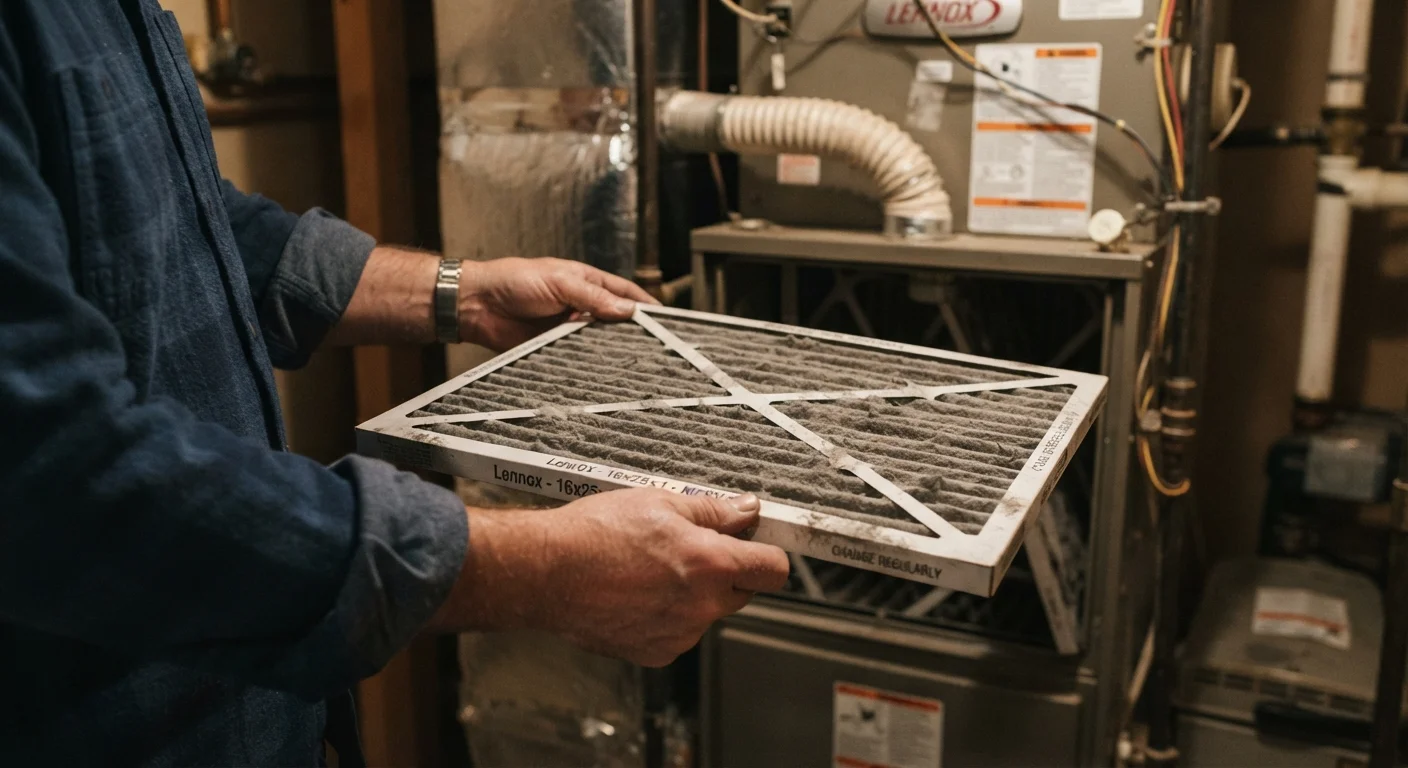
Ignoring HVAC filter changes until airflow is noticeably reduced.
Why it happens: New homeowners often don't know how frequently filters need replacement, and there's no obvious alert when they get dirty.
Letting gutters go uncleaned for multiple seasons in a row.
Why it happens: Gutters are out of sight and easy to forget, and their failure is gradual rather than sudden.
Overlooking caulk and grout in bathrooms and kitchens until water damage appears.
Why it happens: Small cracks in caulk or grout look cosmetic, but they allow water to penetrate behind tiles and inside walls where it causes structural damage.
Assuming smoke and carbon monoxide detectors are fine because they haven't beeped.
Why it happens: Most people only think about detectors when a battery chirp prompts them - which can be too late if sensors have degraded.
Skipping seasonal exterior checks for cracks, gaps, and weatherstripping wear.
Why it happens: Exterior wear accumulates slowly and isn't visible from inside the home, so it rarely feels urgent until energy bills spike.
Treating every maintenance task the same - whether a quick DIY fix or a job requiring a professional.
Why it happens: New homeowners often lack a reliable framework for distinguishing tasks they can safely do themselves from those that need expert attention.
When to Call a Licensed Professional
Tasks involving your home's electrical panel, gas lines, structural elements, or main plumbing connections should always be handled by a licensed contractor. Attempting these without proper training can create serious safety hazards and may violate local building codes. Always verify permit requirements with your local municipality before starting any significant project.
One pattern worth noting: many of these oversights share a common root. When homeowners don't have a written maintenance schedule, tasks compete with daily life and lose. A simple checklist - organized by month or season - removes the mental burden of having to remember everything. Consider pairing your maintenance routine with a broader home organization strategy so upkeep fits naturally into how you manage your household.
For those managing tighter budgets, staying on top of maintenance is also a financial strategy. Deferred repairs compound costs quickly. A basic household budget that includes a small monthly maintenance reserve can make those unexpected expenses far less stressful when they arrive.
Building a Maintenance Habit That Sticks
The most reliable maintenance habit is a written one. Create a simple calendar - digital or paper - that lists recurring tasks by month: filter changes, gutter cleaning, detector tests, exterior walkthroughs, and any system-specific service your home requires (like annual furnace inspections or well pump checks if applicable).
Pair maintenance tasks with existing habits whenever possible. Changing HVAC filters at the start of each season is easier to remember than tracking a 90-day interval. Testing smoke detectors when you change clocks for daylight saving time is a well-established prompt that works for a reason.
Finally, document what you find and what you fix. A simple maintenance log - even a notes app on your phone - tells you when a system was last serviced, when a part was last replaced, and whether a problem is recurring. That record becomes valuable if you ever need warranty service, sell your home, or hire a contractor who needs context about your systems.
Routine upkeep isn't glamorous, but it is one of the highest-return habits a homeowner can develop. The hours you invest in prevention will almost always be far fewer than the hours - and dollars - that repairs demand.