

Key Takeaways
Pet Obesity
Pet obesity is a condition in which a dog or cat carries significantly more body fat than is healthy for their size and species. It is typically defined as body weight exceeding ideal by 20% or more, though vets use a structured scoring system rather than numbers alone. Like obesity in humans, it is considered a chronic disease rather than simply a cosmetic concern.
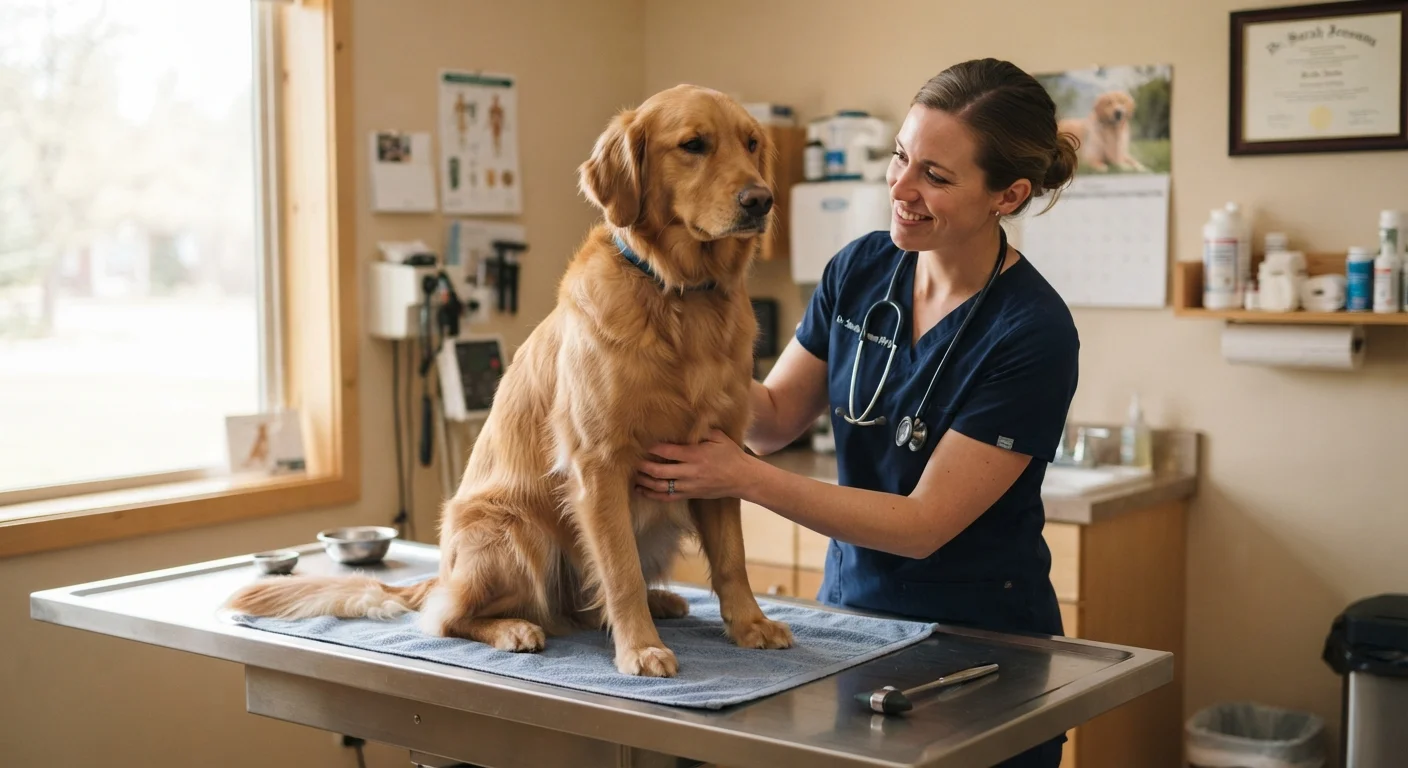
Veterinarians most commonly use the Body Condition Score (BCS) - a 9-point scale - to assess fat coverage over ribs, spine, and other landmarks. A BCS of 6-7 indicates overweight; 8-9 indicates obese.
How Vets Measure Excess Weight
The bathroom scale tells only part of the story. A muscular breed may weigh more than a chart suggests while carrying very little excess fat, whereas a small-framed cat can look slim in photos but still be metabolically overweight. This is why veterinarians rely on the Body Condition Score (BCS) - a hands-on assessment that evaluates fat deposits over the ribs, spine, hips, and base of the tail.
On the standard 9-point BCS scale, a score of 4-5 is considered ideal. Scores of 6-7 indicate overweight; 8-9 indicate obesity. Some clinics also use a 5-point version. The vet physically palpates your pet rather than simply reading their weight from the scale, which makes the evaluation far more useful for treatment planning.
A related tool - the Muscle Condition Score (MCS) - is sometimes used alongside BCS, particularly in senior pets or those with chronic illness, to distinguish fat gain from muscle loss. Both together give a more complete picture than weight alone.
BCS Is Not the Same as a Diet Chart
Body Condition Scoring is a clinical tool used by trained veterinary professionals - it is not a DIY checklist. While owners can learn to make rough at-home assessments, a formal BCS should be assigned by your vet, who can feel what photos and charts cannot reveal. Annual wellness exams are the best opportunity to get an accurate read.
What Drives Weight Gain in Dogs and Cats
At its core, obesity develops when energy intake consistently exceeds energy expenditure. But the reasons that imbalance occurs vary significantly between households and individual animals.
- Overfeeding and imprecise measuring: Kibble scooped loosely rather than weighed can deliver 20-30% more calories than intended. Many owners also underestimate the calorie contribution of treats, which can account for 10-30% of daily intake in some pets.
- Sedentary lifestyle: Indoor cats and dogs in small homes with limited outdoor time burn fewer calories. Boredom-driven eating compounds this further.
- Age-related metabolic changes: Older pets require fewer calories as lean muscle mass declines and activity slows. Feeding amounts appropriate for a 2-year-old are often excessive by age 8.
- Neutering: Spaying or neutering reduces resting metabolic rate, sometimes meaningfully. Post-procedure calorie needs often drop but feeding habits don't change.
- Underlying medical conditions: Hypothyroidism in dogs and hyperadrenocorticism (Cushing's disease) can both drive weight gain independently of diet. These must be ruled out before a weight-loss plan begins.
Understanding how macronutrients and meal frequency affect your pet's energy balance is a useful foundation for any owner trying to get feeding habits right.
~60%
US dogs and cats estimated overweight or obese
According to the Association for Pet Obesity Prevention's annual clinical surveys, the majority of US pets assessed by vets exceed ideal body condition.
1.8 years
Median lifespan reduction in overweight Labradors
A long-term study of Labrador retrievers found that dogs maintained lean lived nearly two years longer on average than their heavier littermates.
4×
Increased diabetes risk in obese cats vs. lean cats
Research published in veterinary nutrition literature identifies obesity as the single strongest modifiable risk factor for Type 2 diabetes in domestic cats.
What Excess Weight Does to the Body
Body fat is not metabolically inert. Adipose tissue - particularly visceral fat stored around internal organs - produces inflammatory compounds that affect joints, organ function, and hormone regulation. The downstream effects are well-documented in veterinary research:
- Osteoarthritis
- Excess weight increases mechanical load on joints, accelerating cartilage breakdown. Even modest overweight status is associated with earlier onset and faster progression of arthritis in dogs. Mobility loss often compounds weight gain in a self-reinforcing cycle.
- Diabetes mellitus
- In cats especially, obesity is a primary risk factor for Type 2 diabetes. Excess fat impairs insulin sensitivity, and some obese cats develop diabetes that goes into remission if they achieve healthy weight.
- Respiratory difficulty
- Fat deposits around the chest wall and diaphragm reduce lung capacity. Brachycephalic breeds (flat-faced dogs like bulldogs and French bulldogs) are especially vulnerable.
- Hepatic lipidosis in cats
- Paradoxically, rapid weight loss in obese cats can trigger fatty liver disease. This is why gradual, supervised weight loss is essential - not crash dieting.
- Reduced lifespan
- A landmark long-term study found that Labrador retrievers maintained at a lean body condition lived a median of nearly two years longer than their overweight littermates. Similar findings have been observed across other breeds.
For owners also managing senior pet care, weight management becomes even more critical as organ reserves and joint resilience naturally decline with age.
How Veterinarians Approach Weight Management
Effective weight management in pets is a medical process, not simply feeding less. A vet-guided approach typically unfolds in stages:
- Rule out underlying causes: Blood panels check thyroid function, cortisol levels, and metabolic markers before attributing weight gain to lifestyle alone.
- Establish a target weight and timeline: A safe rate of loss for most dogs is roughly 1-2% of body weight per week. For cats, the threshold is even lower to avoid hepatic lipidosis risk.
- Calorie-controlled diet plan: This usually involves precise portion measurement by weight rather than volume, scheduled meals instead of free-feeding, and often a reformulated diet higher in protein and fiber to support satiety. Diet choices are a central lever in managing pet obesity and merit careful attention.
- Treat accountability: All treats - including dental chews - are counted within the daily calorie budget, not given on top of it.
- Structured activity increases: Leash walks, play sessions, food puzzles, and environmental enrichment are built into the plan based on the pet's mobility and health status.
- Regular weigh-ins: Monthly or bimonthly check-ins allow the vet to adjust the plan. Plateaus are common and expected - the plan adapts rather than stalls.
In some cases, prescription weight-management diets or, rarely, pharmaceutical interventions may be recommended. These decisions are made by a veterinarian based on the individual animal's profile.
Weigh Food, Don't Scoop It
Measuring kibble by volume with a cup can vary by 20-30% depending on how the cup is filled. A digital kitchen scale set to grams gives a far more consistent portion - and over weeks, that precision adds up. Ask your vet for the target gram amount per meal rather than relying solely on the bag's feeding chart.
This article provides general health information about pet obesity and is not a substitute for veterinary advice. If you are concerned about your pet's weight or health, consult a licensed veterinarian.