

Key Takeaways
Why Your Skin Might Be Reacting - Even to Your Usual Routine
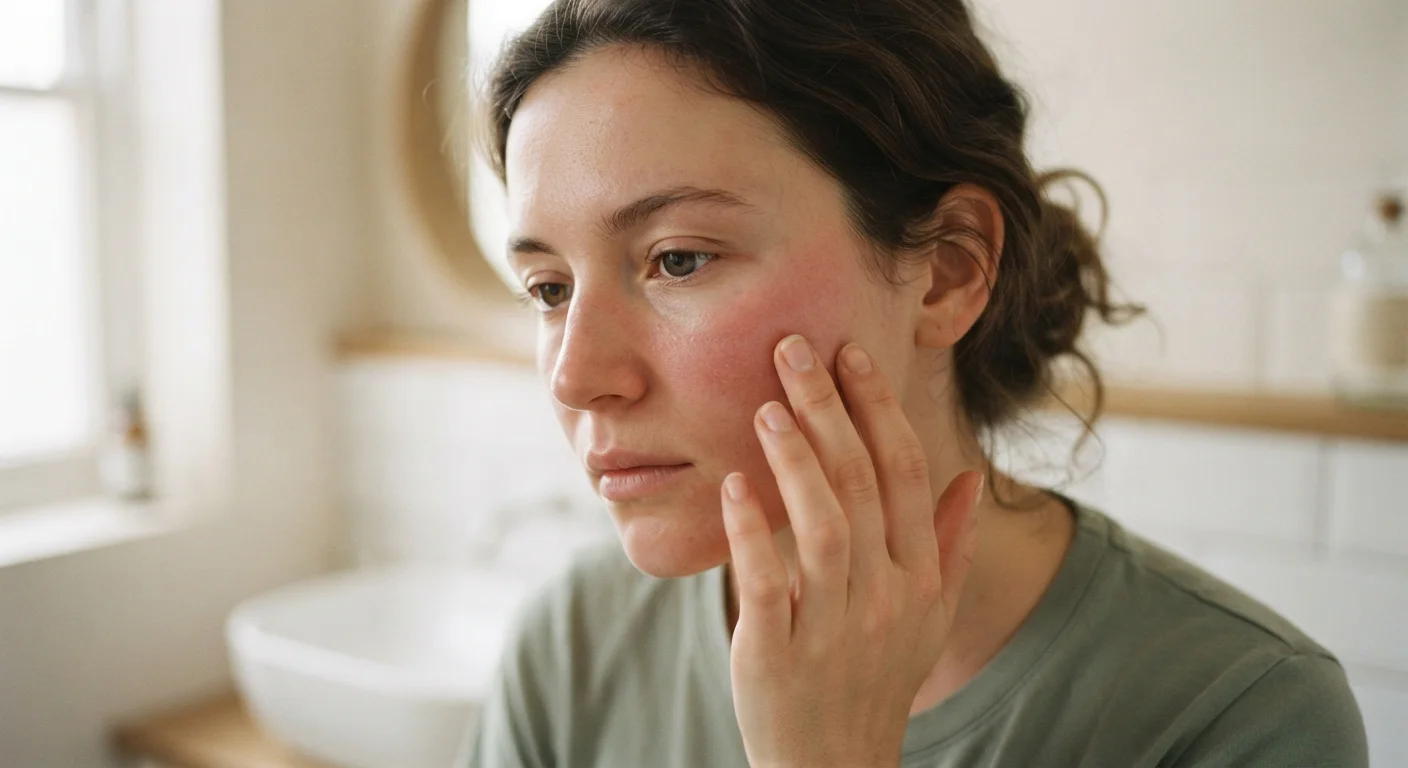
Skin irritation doesn't always announce itself dramatically. Sometimes it sneaks in as a little extra tightness after cleansing, a faint sting when you apply your serum, or redness that you keep blaming on the weather. The truth is, many irritation triggers are built right into everyday beauty habits - habits so routine that they feel completely harmless.
Understanding what's actually stressing your skin barrier is the first step to fixing it. The skin barrier - the outermost layer of your skin - acts as a protective seal that locks in moisture and keeps irritants out. When that barrier is compromised, skin becomes reactive, dry, and more prone to breakouts or sensitivity. The good news: most of these triggers are avoidable once you know what to look for.
If you've ever wondered why your routine seems to stop working, or why your skin flares for no obvious reason, the culprits below might ring a bell. And if you want to build smarter from the ground up, this beginner's guide to skincare steps is a great starting point.
Exfoliating Too Often
Exfoliation is genuinely useful - it removes dead skin cells, brightens tone, and helps other products absorb better. The problem is that more is rarely better. Using a chemical exfoliant or physical scrub more than two or three times per week - or layering both types in the same routine - strips away the healthy skin cells your barrier depends on.
Signs you've overdone it: persistent shininess, flaking that doesn't respond to moisturizer, stinging when you apply anything, or skin that feels tight immediately after washing. When exfoliation frequency is reduced, most people notice improvement within a week or two. See our comparison of chemical exfoliants and physical scrubs to find what's appropriate for your skin type.
Exfoliating more than a few times a week can strip the healthy cells your skin barrier needs.
Mixing Incompatible Active Ingredients
Some ingredient pairings work against each other in ways that aren't obvious from the label. For example, using retinol and a high-strength AHA in the same routine can cause significant irritation and dryness - even if each product is tolerated on its own. Similarly, vitamin C (L-ascorbic acid) is best used away from certain other acids because of pH conflicts that can reduce effectiveness and increase sensitivity.
The fix isn't always to avoid one ingredient entirely - it's often about timing. Many dermatologists suggest separating certain actives into morning and evening routines, or alternating nights. Learning to read ingredient lists can help you spot potential conflicts before they reach your face.
Two skin-friendly ingredients can still clash - timing and layering order genuinely matter.
Skipping the Patch Test
Patch testing feels like an unnecessary extra step - until you've had a reaction that leaves your face red and rashy for a week. Applying a small amount of a new product to the inside of your wrist or behind your ear for 24 to 48 hours before full use is a simple way to catch sensitivities before they spread.
This matters especially for products with high concentrations of active ingredients, fragrances, or essential oils, which are among the most common contact allergens in skincare. The patch test won't catch every possible reaction, but it catches many of the most obvious ones.
A 48-hour patch test behind the ear can prevent days of widespread facial irritation.
Washing With Water That's Too Hot
A steaming shower feels luxurious, but hot water is genuinely hard on skin. It disrupts the natural lipid layer that seals moisture into your skin, leaving it feeling temporarily soft but actually more vulnerable to dryness and irritation afterward. People with conditions like eczema or rosacea often find that hot water is a reliable flare trigger.
Lukewarm water is widely recommended by dermatologists for both face and body washing. It rinses effectively without compromising the skin's protective oils. If you shower hot, rinsing your face separately with cooler water is an easy workaround.
Hot water disrupts the lipid layer that keeps skin moisturized and protected against irritants.
Applying Products With Too Much Pressure
How you apply products matters as much as what you apply. Rubbing in cleanser vigorously, dragging a cotton pad across your face, or pressing hard when applying SPF can physically irritate skin - especially if it's already sensitive. The delicate skin around the eyes is particularly vulnerable to this kind of mechanical stress.
Gentle pressing or patting motions - rather than rubbing - are generally recommended for serums, moisturizers, and eye creams. For cleansing, light circular motions with your fingertips are usually sufficient. Common moisturizer mistakes often come down to application technique rather than the product itself.
Rubbing products in aggressively causes physical stress to skin that compounds over time.
Ignoring Fragrance as an Irritant
Fragrance - both synthetic and natural - is one of the most documented causes of contact sensitization in skincare. Products can smell wonderful and still be quietly irritating your skin with every use, especially around the eyes, neck, and chest where skin is thinner. Essential oils like lavender, citrus, and eucalyptus are popular in "natural" formulas but can be just as sensitizing as synthetic fragrance.
If you've ruled out other triggers and your skin is still reactive, switching to fragrance-free formulas across your entire routine for four to six weeks can be a revealing experiment. Many people are surprised by how much calmer their skin becomes.
Natural fragrance from essential oils can be just as sensitizing as synthetic fragrance compounds.
Course-Correcting Without Overcorrecting
When your skin is acting up, the instinct is often to add more - more products, more actives, more steps. Dermatologists generally suggest doing the opposite: strip your routine back to a gentle cleanser, a basic moisturizer, and sunscreen, then slowly reintroduce products one at a time. Give your barrier a chance to recover before you pile on new ingredients.
Try a Bare-Bones Reset First
When your skin is irritated and you're not sure why, dermatologists often recommend a "skin fast" - temporarily reducing your routine to just a gentle, fragrance-free cleanser, a simple moisturizer, and SPF. Use this stripped-back routine for one to two weeks before reintroducing products one at a time, spaced several days apart. This approach makes it much easier to identify what your skin is actually reacting to.
It also helps to keep a loose log of what you're using and when reactions appear. Skin doesn't always react instantly - some irritation takes 24 to 48 hours to surface, which makes the trigger easy to miss. A quick note in your phone is all it takes.
If your skin remains persistently red, stinging, or broken out despite simplifying your routine, it's worth consulting a board-certified dermatologist. General skincare advice is helpful for everyday maintenance, but a professional can identify whether something else - like rosacea, eczema, or an allergy - might be at play. This article is general educational information and is not a substitute for personalized medical advice.
This article is for informational purposes only and does not constitute medical or dermatological advice. Consult a qualified healthcare professional for concerns about your skin health.