

Key Takeaways
Car Depreciation
Car depreciation is the decline in a vehicle's market value over time. It begins the moment a new car is driven off the lot and continues throughout the vehicle's life. Depreciation is typically the single largest cost of car ownership, often exceeding fuel and insurance combined.
Depreciation is calculated as the difference between a vehicle's purchase price and its residual value at a given point in time. Lenders and lessors use estimated residual values to structure loan and lease terms.
How Depreciation Works Over a Vehicle's Life
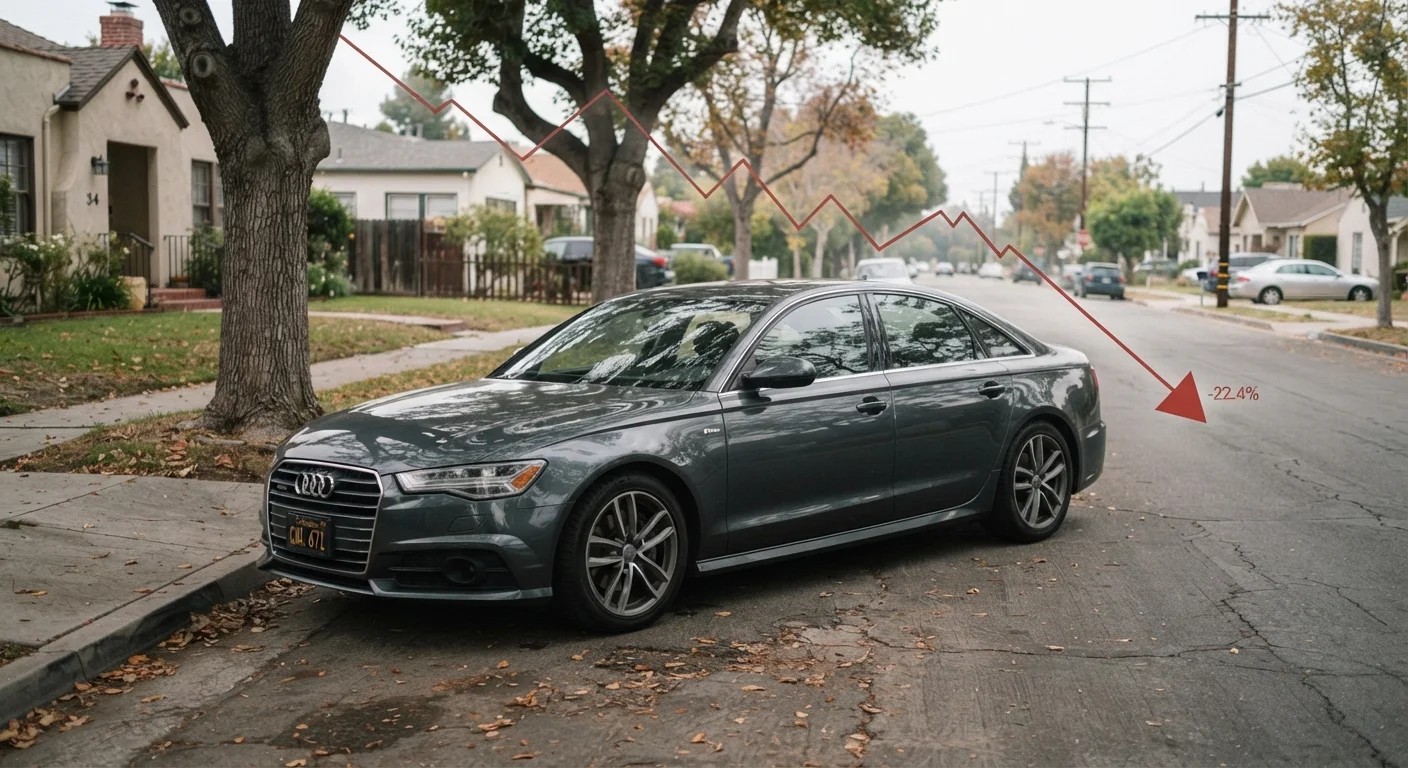
Depreciation is not a flat, evenly distributed cost. It follows a curve - steep at first, then gradually flattening. A vehicle that stickers at $35,000 might be worth $26,000 after one year, $21,000 after three years, and $15,000 after five years, depending on the model and market conditions. The steepest losses happen early because the car moves from new to used status, eliminating the premium buyers pay for that 'first owner' experience.
After the first few years, depreciation slows - but it never fully stops. Even a well-maintained 10-year-old vehicle continues to lose value, though the dollar amounts become smaller. Understanding this curve matters when you're deciding how long to keep a car or when to sell. See how depreciation fits into the broader picture in our article on the true cost of owning a car.
20%
Average first-year value loss for new vehicles
Industry estimates from automotive valuation sources consistently show new cars lose roughly 15-25% of their value within the first 12 months.
~50%
Value lost in the first five years
Many vehicles lose approximately half their original purchase price by the end of year five, according to long-run depreciation data from automotive research firms.
#1
Depreciation as the largest ownership cost
Multiple cost-of-ownership analyses place depreciation ahead of fuel, insurance, and maintenance as the single greatest annual expense for vehicle owners.
Key Factors That Influence the Rate of Depreciation
Not all vehicles depreciate at the same pace. Several variables push the rate faster or slower:
- Mileage: Higher annual mileage accelerates value loss. Most depreciation models assume around 12,000-15,000 miles per year; exceeding that noticeably reduces resale value.
- Condition and maintenance history: A vehicle with documented service records, no accident history, and good cosmetic condition commands a higher resale price. Deferred maintenance and body damage have the opposite effect.
- Brand and model reputation: Vehicles from manufacturers with strong reliability track records tend to hold value better. Market perception matters alongside actual reliability data.
- Segment and body style: Pickup trucks and some SUVs have historically depreciated more slowly than sedans or sports cars in the U.S. market, largely driven by consistent consumer demand.
- Fuel type and technology: As fuel prices shift and technology evolves, vehicles perceived as less efficient or technologically outdated can depreciate faster. This is an evolving factor, particularly for electric vehicles, where battery capacity concerns can affect resale values.
- Color and trim: Neutral colors (white, black, silver, gray) typically appeal to a broader resale audience. Unusual colors or trim packages with niche appeal can narrow the buyer pool.
Protect Resale Value With Simple Habits
Keeping up with scheduled maintenance, storing service records, avoiding excessive mileage, and maintaining the interior and exterior can all have a measurable effect on resale value. These habits won't stop depreciation, but they reduce how fast it accelerates beyond the baseline rate for your vehicle type.
Depreciation and Your Loan - The Equity Gap Risk
Depreciation has a direct financial consequence for anyone financing a vehicle: it creates an equity gap. When a car loses value faster than a borrower pays down the loan principal, the borrower ends up 'underwater' - owing more than the car is worth. This situation, sometimes called being 'upside down' on a loan, becomes a problem if the car is totalled in an accident or needs to be sold before the loan is paid off.
Standard auto insurance pays actual cash value in a total loss - the depreciated market value of the vehicle, not the amount you originally paid or still owe. If you owe $22,000 and the car's market value is $17,000 at the time of a total loss, you're responsible for the $5,000 difference. Gap insurance is designed to cover this difference, but it's a separate product with its own costs and conditions - always read the terms carefully and consult a licensed insurance agent for guidance specific to your situation.
For a deeper look at how loan terms interact with vehicle value, see our overview of how car financing actually works.
Depreciation in Context: Buying, Leasing, and Selling Decisions
Depreciation shapes the economics of every major vehicle decision. When buying new, you absorb the steepest part of the curve. When buying used, someone else has already taken that hit - which is why a two- or three-year-old vehicle can offer meaningful value relative to its original price. Our guide on new car vs. used car trade-offs explores this comparison in more detail.
Leasing structures payments around the expected depreciation during the lease term rather than the full purchase price - which is why monthly lease payments are often lower than loan payments on the same vehicle. However, at lease end, you own no equity. Whether that trade-off works for you depends on your driving habits and financial priorities. Our article on buying vs. leasing breaks down the practical differences.
When selling, timing matters. The gap between years three and five is often a reasonable window - you've moved past the steepest depreciation but haven't yet entered the period where older vehicles may face higher maintenance costs and accelerated value loss. Understanding where your vehicle sits on that curve helps you make a more informed decision about when to sell, trade, or continue holding.
This article is for general informational and educational purposes only. It does not constitute financial, legal, or insurance advice. Consult a qualified financial adviser or licensed insurance professional for guidance specific to your situation.