

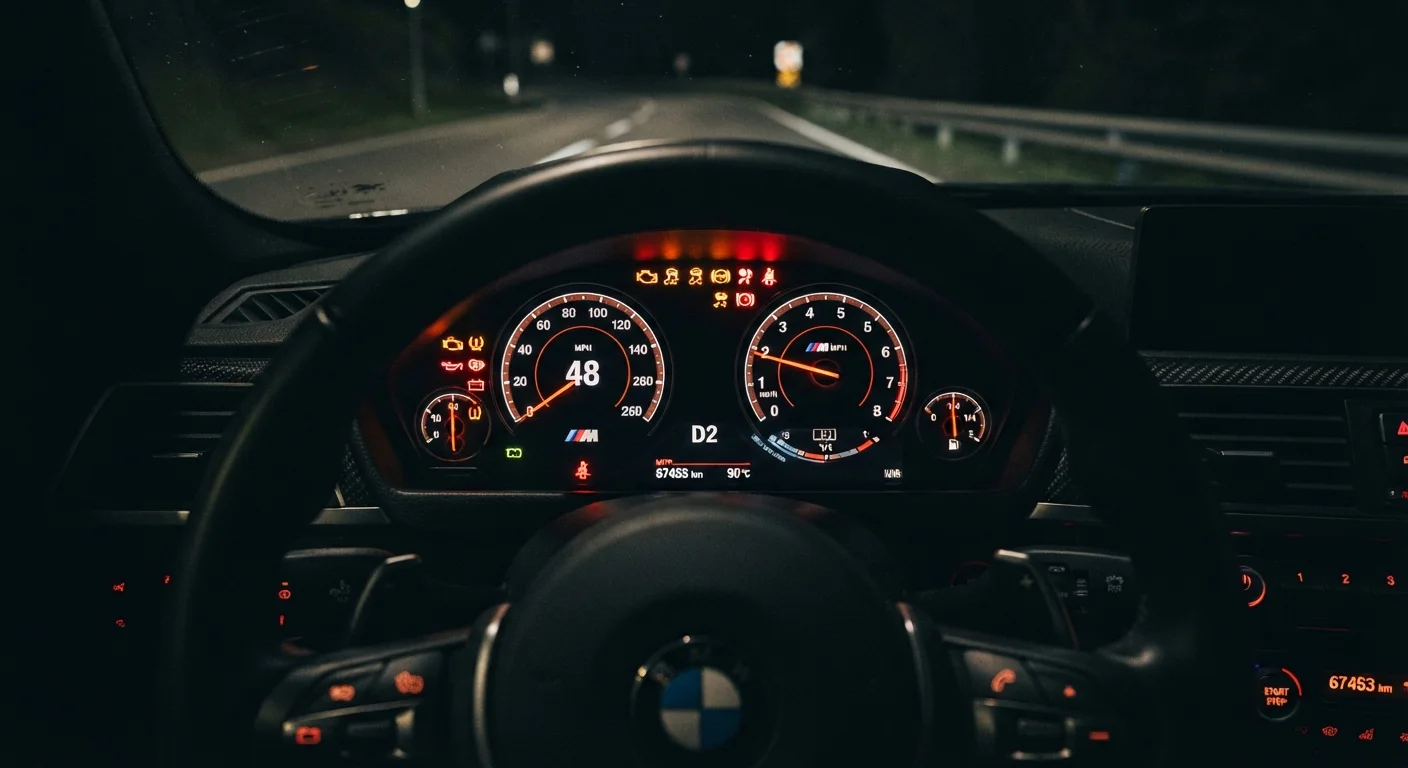
What Dashboard Warning Lights Are Actually Telling You
Your car's onboard diagnostics system continuously monitors dozens of sensors - from engine temperature to brake fluid pressure. When something falls outside normal parameters, it triggers a warning light on your instrument cluster. Think of these lights as a triage system: not every illuminated icon demands an immediate roadside stop, but none of them should be ignored indefinitely.
Color is your first cue. Red lights signal conditions that may be unsafe or could cause immediate damage - stop driving as soon as it is safe to do so. Yellow or amber lights indicate a system that needs attention soon but typically isn't an emergency. Green and blue lights are informational, confirming that a feature (like high beams or cruise control) is active.
For a broader view of how proactive habits connect to fewer warning lights over time, see our guide to smart ownership habits.
High-Priority Lights: Stop or Act Immediately
These red indicators demand prompt attention. Continuing to drive can result in engine damage, brake failure, or safety hazards.
- Engine Temperature Warning (Thermometer symbol): The coolant is overheating. Pull over safely, turn off the engine, and let it cool before checking coolant levels. Do not open the radiator cap while hot.
- Oil Pressure Warning (Oil can symbol): Low oil pressure can cause catastrophic engine damage within minutes. Stop driving, check your oil level, and consult a mechanic before restarting.
- Battery/Charging System (Battery symbol): The electrical system isn't charging properly. Your vehicle may only have minutes of power remaining. Limit electrical load and drive directly to a service facility.
- Brake System Warning (Exclamation mark in circle): If this illuminates while driving (and the parking brake is fully released), it may indicate low brake fluid or a hydraulic failure. Have the system inspected immediately.
When a Flashing Light Differs From a Steady One
A steady check engine light generally means a fault has been detected but the vehicle is drivable in the short term. A flashing or blinking check engine light typically indicates an active engine misfire that can damage the catalytic converter - a costly component. Reduce speed and seek service promptly rather than waiting for a scheduled appointment.
Understanding your maintenance history can provide context for recurring warning lights. Our article on routine maintenance intervals explains when key services are typically due.
Amber Lights: Schedule Service Soon
Yellow or amber lights indicate issues that warrant a service appointment within days to a couple of weeks - not necessarily an immediate stop.
OBD-II
On-Board Diagnostics II - a standardized system used in vehicles sold in the U.S. since 1996 that records fault codes when a sensor detects an out-of-range condition. A scan tool plugged into the OBD-II port can read these codes.
TPMS
Tire Pressure Monitoring System - a sensor-based system required on U.S. passenger vehicles since 2008 that alerts the driver when tire pressure drops significantly below the recommended level.
Fault Code (DTC)
A Diagnostic Trouble Code stored by the vehicle's computer when a sensor reading falls outside acceptable parameters. Codes follow a standardized format (e.g., P0300) and help technicians identify the affected system.
Instrument Cluster
The panel behind the steering wheel that houses the speedometer, fuel gauge, and all warning lights. Modern clusters may be fully digital or a hybrid of analog gauges and display screens.
- Check Engine Light (Engine outline symbol): One of the most misunderstood lights. It can signal anything from a loose gas cap to a misfiring cylinder. A mechanic can read the stored fault code with an OBD-II scanner to pinpoint the cause. A flashing check engine light is more urgent - reduce speed and seek service promptly.
- Tire Pressure Monitoring System / TPMS (Flat tire symbol): One or more tires are significantly under-inflated. Check and inflate all tires to the pressure listed on your driver's door jamb sticker (not the number on the tire sidewall). Driving on underinflated tires increases wear and reduces fuel economy.
- Traction Control / Stability Warning (Car with skid lines): When lit continuously (not flashing during a skid), it may indicate a sensor fault or that the system has been manually disabled. Have it diagnosed.
- Service Due / Maintenance Reminder (Wrench or oil drop): Not an emergency, but a prompt to schedule your next service interval. Delaying routine maintenance accelerates wear.
1 in 4
U.S. vehicles on the road with a check engine light on
Research by CarMD has consistently found that roughly one-quarter of vehicles on U.S. roads are being driven with an illuminated check engine light at any given time.
25%
Tire pressure drop needed to trigger TPMS warning
Under U.S. federal regulations, TPMS must alert the driver when any tire reaches 25% below the vehicle manufacturer's recommended cold inflation pressure.
How to Use Your Owner's Manual as a Reference
Every vehicle's warning light set is slightly different. Symbols can vary by manufacturer, and some icons represent features unique to specific models (e.g., hybrid battery status, AWD lock mode). Your owner's manual - available in print in the glove box or as a PDF on the manufacturer's website - remains the definitive reference for your specific vehicle.
When a light appears, note whether it is steady or flashing, what color it is, and whether you notice any change in vehicle behavior (unusual sounds, reduced power, pulling to one side). This information helps a mechanic diagnose the issue more efficiently and accurately.
If you're evaluating a used vehicle and the seller mentions prior warning lights or you spot evidence of recent repairs, cross-reference that history. Our guide to reading a vehicle history report can help you interpret what prior records reveal.
This article is for general informational purposes only. Warning light meanings and appropriate responses can vary by vehicle make, model, and year. Always consult a qualified mechanic for diagnosis and repair recommendations specific to your vehicle.