

Autos & Insurance

Winterizing Your Vehicle: What to Check Before Cold Weather Arrives

Share
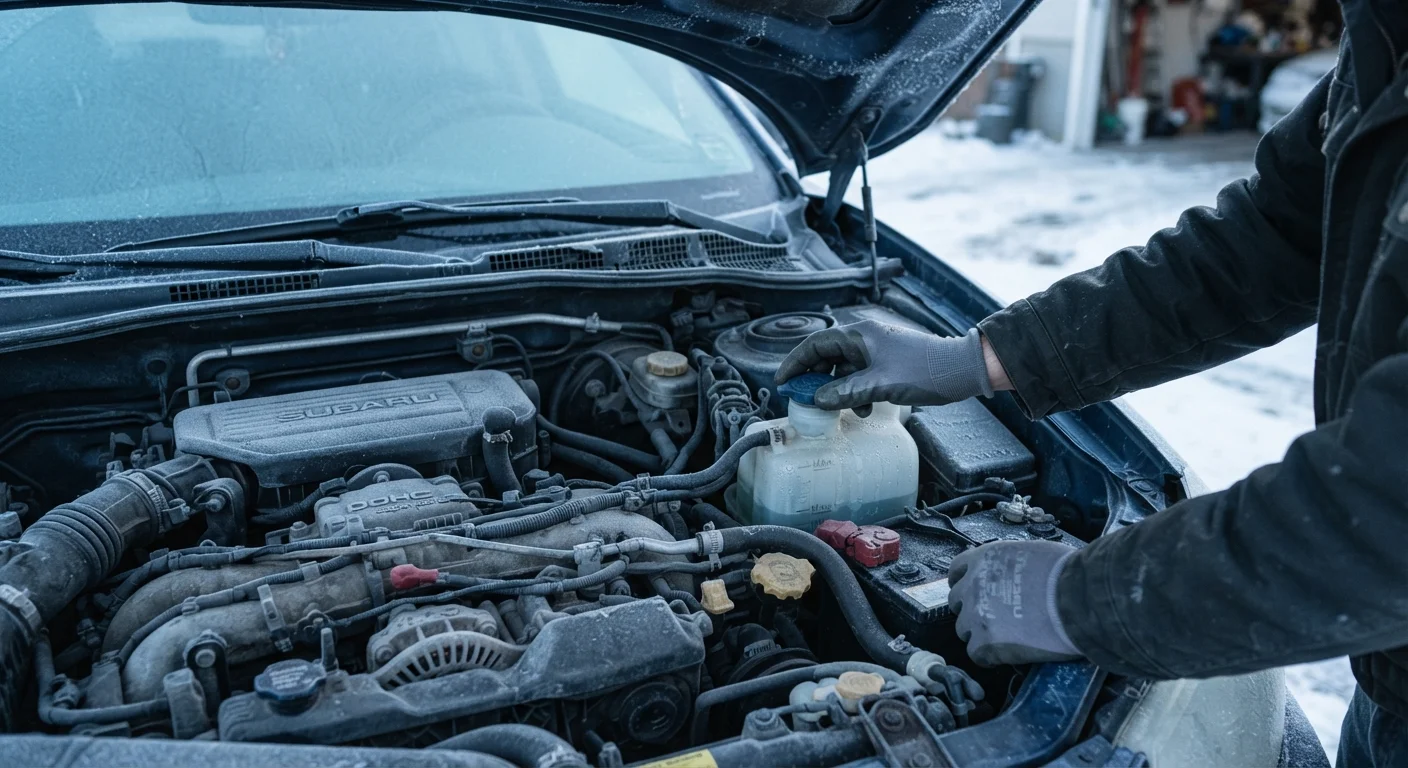
Gloved hands inspecting a car engine bay on a frosty winter morning

Key Takeaways

Cold temperatures stress batteries, tires, and fluids more than any other season — check all three before the first freeze.
Tire tread depth and inflation are critical for winter traction; pressure drops roughly 1 PSI for every 10°F drop in temperature.
Antifreeze (coolant) protects your engine from freezing and overheating — test its freeze-point protection annually.
A failing battery may start your car fine in fall but fail completely once temperatures dip below freezing.
Keeping an emergency kit in your trunk is a low-cost safety measure that can make a real difference in a winter breakdown.
45–90 min

Summary

18 items · 45–90 minutes

Why Winter Demands a Dedicated Vehicle Inspection

Cold weather doesn't just make driving harder — it accelerates wear on components that may already be marginal. A battery at 70 percent capacity might start your engine reliably in October but leave you stranded in January, because a 32°F battery delivers roughly 35 percent less power than one at 80°F, according to data from the Battery Council International. Fluids thicken, rubber hardens, and traction demands increase sharply once temperatures fall.

Addressing these issues before the season changes is far less costly than roadside assistance or emergency repairs in freezing conditions. This checklist is organized so you can work through each system logically — either yourself or alongside a qualified mechanic. For a broader look at how seasonal tasks fit into your overall schedule, see our guide to routine maintenance intervals.

Battery and Electrical

Test battery voltage and cold cranking amps (CCA) using an inexpensive battery tester or ask a mechanic to load-test it — replace any battery older than four years or showing weak output. Must
Inspect battery terminals for corrosion (white or bluish buildup) and clean them with a terminal brush if needed. Must
Check that all exterior lights — headlights, taillights, brake lights, and turn signals — are working, since winter daylight hours are shorter. Must
Test the defroster for both front windshield and rear window to confirm they clear frost and fog effectively. Must

Tires and Traction

Check tread depth on all four tires using a tread-depth gauge or the penny test — 2/32" is the legal minimum, but 4/32" or more is strongly recommended for winter safety. Must
Inflate all tires to the vehicle manufacturer's recommended PSI (found on the door jamb sticker, not the tire sidewall), accounting for pressure loss in cold air. Must
Inspect tires for sidewall cracks, bulges, or uneven wear patterns that could increase blowout risk in cold, brittle conditions. Must
If you live in a region with consistent snow or ice, evaluate whether dedicated winter tires are appropriate — they remain more pliable and provide significantly more grip below 45°F than all-season tires. Should
Confirm that your spare tire is inflated and that your jack and lug wrench are accessible in the trunk. Should

Fluids

Test coolant (antifreeze) freeze-point protection with an inexpensive test strip or refractometer — the mixture should protect to at least −34°F for most climates. Must
Confirm engine oil is at the correct level and check whether your oil weight is appropriate for cold temperatures — consult your owner's manual for the manufacturer's cold-weather recommendation. Must
Fill the windshield washer reservoir with a winter-rated fluid that won't freeze in the lines or on the glass. Must
Check brake fluid and power steering fluid levels and top off as needed, following specifications in your owner's manual. Should

Wipers, Visibility, and Safety Gear

Replace worn wiper blades — or install winter-specific blades designed to prevent snow and ice from clogging the blade frame. Must
Check that all mirrors are intact and that the interior heating and defrost system is working properly. Must
Assemble or replenish a winter emergency kit in your trunk: include an ice scraper, jumper cables or a jump-start pack, a small shovel, a blanket, a flashlight, and basic first aid supplies. Should
Keep at least a half tank of fuel during cold months to prevent fuel-line freeze and to ensure you can idle safely if stranded. Should
Review your auto insurance coverage to confirm you have roadside assistance or towing included — breakdowns increase in winter and response times may be longer. Nice to have

Tools and Supplies You'll Need

Most winter checks require only basic tools and inexpensive test kits available at auto parts stores. Having these on hand before you begin will let you complete the inspection in a single session.

Required

Battery tester or multimeter

Measures battery voltage and helps identify whether a battery has sufficient charge and capacity for cold starts.

Required

Tire pressure gauge

Checks inflation levels accurately so you can adjust to the correct PSI before cold temperatures cause further pressure loss.

Required

Tread depth gauge

Gives a precise measurement of remaining tire tread to determine whether tires are safe for winter driving.

Required

Coolant test strips or refractometer

Tests the freeze-point protection level of your antifreeze/coolant mixture quickly and inexpensively.

Optional

Terminal cleaning brush

Removes corrosion from battery terminals to ensure a solid electrical connection.

Required

Owner's manual

Provides manufacturer-specified fluid types, capacities, oil viscosity recommendations, and tire inflation values for your specific vehicle.

Key Risks to Keep in Mind

A few winter vehicle issues carry consequences serious enough to flag upfront. Review these before working through the checklist.

Don't Skip the Battery Test

Battery failure is the leading cause of winter breakdowns. A battery can test within acceptable range in mild weather yet fail completely once temperatures drop below freezing. If your battery is more than four years old, have it load-tested by a qualified mechanic — not just checked with a basic voltmeter. Replacing a marginal battery before winter is far less disruptive and expensive than a no-start situation in extreme cold.

Coolant Work Requires Caution

Never open a radiator cap on a hot engine — pressurized coolant can cause serious burns. Allow the engine to cool completely before inspecting or topping off coolant. Antifreeze is also toxic to pets and wildlife; dispose of old coolant at a designated recycling facility, never down a drain or on the ground. If you are unsure how to flush or refill your cooling system, have a qualified mechanic perform the service.

Tire Pressure Readings Can Mislead in Changing Temperatures

Always check tire pressure when tires are cold — meaning the vehicle has been parked for at least three hours or driven fewer than a mile. Checking pressure after driving will give a falsely elevated reading. In winter, recheck pressure whenever temperatures shift significantly, as PSI drops roughly 1 pound for every 10°F decrease in ambient temperature.

Once you've completed your winterization, consider applying the same proactive mindset to your home — our fall home prep checklist covers exterior and mechanical tasks worth completing before temperatures drop. And if you're planning any extended winter driving, the pre-road-trip vehicle checklist offers additional guidance on fluids, brakes, and emergency gear.

Autos & Insurance Editorial Team is the collective byline for our editorial team and contributor network. Articles published under this byline or an editorial pen name are researched, written, and reviewed according to our editorial standards for clarity, consistency, and independence before publication.

View all articles by Autos & Insurance Editorial Team →
Disclaimer: The content on this site is for informational purposes only and is not a substitute for professional advice. Always consult a qualified professional for guidance specific to your situation.