

Key Takeaways
Our Verdict
DIY pest control is a reasonable first step for isolated, surface-level pest problems in low-risk settings. However, for persistent infestations, structural pests, or situations involving health risks, a licensed pest control professional delivers more reliable and lasting results. Knowing the difference upfront prevents wasted effort and recurring problems.
| Best for | Recommended |
|---|---|
| Minor, isolated pest sightings in a single area | DIY pest control |
| Termites, bed bugs, or rodent infestations | Professional pest control |
| Households with young children or pets | Professional pest control |
| Ongoing prevention after an infestation is resolved | DIY pest control |
What You're Actually Comparing
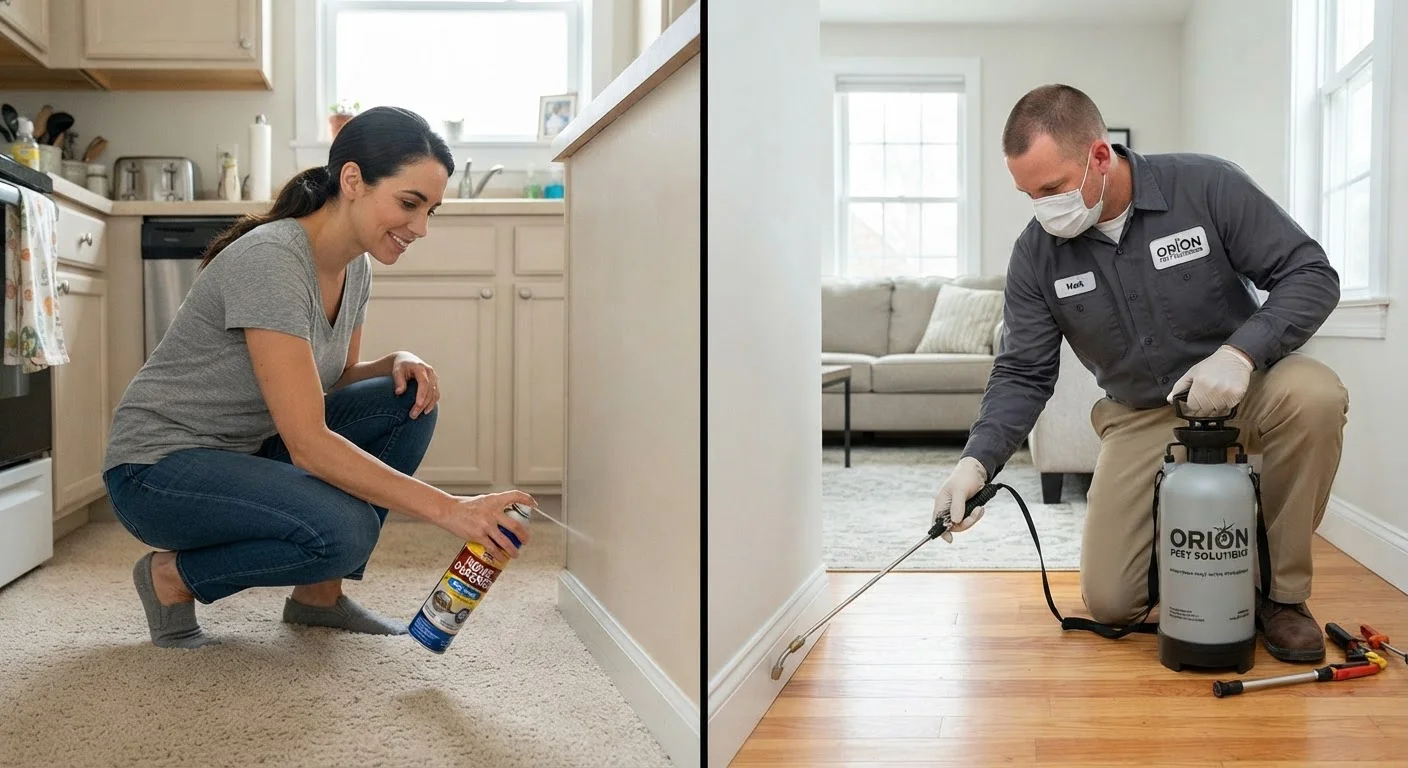
DIY pest control typically means consumer-grade products-sprays, baits, traps, and powders sold at hardware stores-applied by the homeowner. Professional pest control involves a licensed technician who inspects your property, identifies the pest species and infestation extent, selects appropriate treatments (often commercial-grade), and may offer follow-up visits.
The gap between these two approaches isn't just price. It spans product strength, diagnostic accuracy, safety handling, and long-term effectiveness. Understanding those differences helps you choose the right tool for the actual problem you have-not just the one that's most convenient.
As a complement to thinking about pest management, it's worth reviewing common routine maintenance oversights that can inadvertently create entry points or attractants for pests.
Where DIY Pest Control Genuinely Works
Store-bought solutions are not inherently ineffective-they are simply matched to a narrower range of problems. DIY is a reasonable approach when:
- The infestation is small and contained. A handful of ants trailing along a kitchen counter, a single wasp nest in an accessible outdoor location, or occasional fruit flies are well within the scope of consumer products.
- You can identify the pest correctly. Many baits and sprays are pest-specific. Misidentification leads to wasted product and a lingering problem.
- The pest doesn't pose structural or health risks. Surface-level nuisance pests are very different from organisms that damage wood framing or carry disease.
- Preventive maintenance is the goal. Sealing cracks, removing standing water, storing food properly, and applying perimeter treatments are effective DIY strategies for keeping pests out in the first place.
DIY also works well as ongoing maintenance after a professional has addressed an active infestation-keeping problem areas monitored and treated between scheduled visits.
Seal First, Treat Second
The most effective DIY pest strategy combines physical exclusion with chemical treatment. Before reaching for a spray, inspect your home's foundation, door sweeps, utility penetrations, and window screens for gaps. Sealing entry points reduces reinfestation regardless of which treatment you use. This step is often skipped-and it's usually why pests return.
When Professionals Are the Safer, Smarter Call
Certain pests and situations exceed what consumer products can reliably handle. Calling a licensed exterminator is generally warranted when:
- Termites are suspected. Subterranean and drywood termites require specialized inspection equipment and treatments-liquid termiticides or bait systems applied to soil and structural wood-that are not available over the counter.
- Bed bugs are present. Bed bug infestations are notoriously difficult to eliminate. Their ability to hide in seams, outlets, and wall voids means heat treatments or targeted professional-grade insecticides are usually required.
- Rodents have established a colony. Rats and mice reproduce rapidly. A professional can locate entry points, assess the colony size, and combine exclusion work (physically sealing the structure) with trapping-a combination DIY rarely achieves fully.
- Repeated DIY attempts have failed. If you've treated a problem multiple times without resolution, the infestation is likely larger or differently located than it appears.
Households with young children, elderly residents, or pets face added complexity around pesticide exposure. A professional can recommend and apply products appropriate for sensitive environments. If you share your home with animals, the full picture on flea and tick prevention is also worth reviewing alongside your pest control plan.
Never Ignore Pesticide Label Instructions
Consumer and professional pesticides carry legally binding label instructions covering application rates, ventilation requirements, and re-entry intervals. Applying more product than directed does not increase effectiveness-it increases risk. Overexposure can cause respiratory irritation, skin reactions, or, in severe cases, systemic toxicity. Always follow the label, store products in original containers, and keep them out of reach of children and pets.
Side-by-Side: DIY vs. Professional Pest Control
The table below summarizes how the two approaches compare across the factors that matter most to homeowners.
| DIY Pest Control | Professional Pest Control | |
|---|---|---|
| Upfront cost | Low ($10-$100 per treatment) | Higher ($150-$500+ depending on pest and scope) |
| Product strength | Consumer-grade formulations | Commercial-grade, often restricted-use products |
| Pest identification accuracy | Dependent on homeowner knowledge | Trained inspection with species-level ID |
| Effectiveness on serious infestations | Limited; may suppress but not eliminate | Targeted treatment addresses root cause |
| Safety handling | Risk of misapplication without training | Licensed applicators follow safety protocols |
| Follow-up and guarantees | None; homeowner repeats as needed | Often includes follow-up visits or warranties |
| Best for | Minor, surface-level, low-risk pests | Termites, bed bugs, rodents, persistent issues |
Making the Decision That Fits Your Situation
A practical framework: start by correctly identifying the pest. Many university extension programs and local cooperative extensions offer free pest ID resources. Next, assess the scope-is this a single sighting or ongoing activity in multiple areas? Then weigh the risk level: is this pest capable of structural damage or posing a health concern?
If the answers point toward a minor, identifiable, low-risk problem, a DIY approach is a reasonable first step. Give it two to three weeks. If the problem persists or worsens, that's a clear signal to escalate. Delaying professional help on a serious infestation typically increases both the damage and the eventual treatment cost.
It also helps to avoid common assumptions about what home treatments can and can't accomplish. Home maintenance myths extend to pest control-many homeowners overestimate the reach of a single spray application and underestimate how quickly colonies can reestablish.
This article is for general informational purposes only. Always follow label instructions when using any pesticide product, and consult a licensed pest management professional for situations involving structural pests, health risks, or persistent infestations. Pesticide regulations and required licensing vary by state; verify local requirements before purchasing or applying any product.