

Key Takeaways
Home Inspection Report
A home inspection report is a written document prepared by a licensed home inspector that describes the current condition of a property's major systems and components. It covers areas like the roof, foundation, electrical, plumbing, and HVAC systems. The report notes deficiencies, potential hazards, and items that may need repair or monitoring - but it is not a pass/fail grade for the home.
Inspectors typically follow standards of practice established by professional organizations such as the American Society of Home Inspectors (ASHI) or InterNACHI, which define the scope and limits of what must be examined.
How Inspection Reports Are Organized
Most home inspection reports follow a standard structure, moving through the property system by system. You'll typically see sections covering the exterior, roof, attic and insulation, interior rooms, kitchen, bathrooms, electrical, plumbing, and HVAC. Each section includes the inspector's observations, often accompanied by photographs.
Within each section, findings are usually categorized by severity. Common labels include:
- Safety hazard - an immediate risk to occupants, such as missing handrails or an improperly wired outlet
- Major defect - a significant issue that affects the function or integrity of a system
- Maintenance item - routine upkeep that hasn't been addressed, like caulking or gutter cleaning
- Monitor - a condition that isn't urgent now but should be watched over time
Understanding these labels is the first step to reading the report usefully rather than reactively. Just like learning to read a credit report section by section, the goal is context, not alarm.
Inspection Scope Varies by State
Licensing requirements and standards of practice for home inspectors differ by state. In some states, home inspectors are licensed and regulated; in others, there is little formal oversight. Always ask about an inspector's credentials, professional memberships, and experience before hiring.
What Inspection Reports Don't Cover
A standard home inspection has real limits - and knowing them prevents surprises later. Inspectors examine what is visible and accessible at the time of the inspection. They do not look inside walls, under slabs, or behind finished ceilings.
Standard inspections typically exclude:
- Mold or air quality testing
- Radon or lead paint measurement
- Sewer scope or septic system evaluation
- Well water testing
- Pest or wood-destroying organism inspections (unless added as a separate service)
- Structural engineering assessments
If an inspector flags a concern in any of these areas, they will usually recommend a specialist. Acting on those referrals before closing gives you a clearer picture of what you're buying into.
How to Prioritize What the Report Finds
The most common mistake buyers make is treating all inspection findings equally. A leaking roof and a cracked outlet cover plate are both technically "defects," but they require very different responses.
Use this practical hierarchy when reviewing your report:
- Address safety hazards immediately. Electrical issues, gas line concerns, structural instability, and carbon monoxide risks all belong in this category. These are non-negotiable.
- Evaluate major systems for remaining lifespan. An HVAC unit at the end of its service life, or a water heater approaching 15 years, may not be broken - but budgeting for replacement is wise.
- Plan for water intrusion risks. Signs of moisture, failed caulking around windows, or grading that slopes toward the foundation can cause serious damage over time if ignored.
- Schedule routine maintenance items. Dirty filters, overgrown vegetation near the foundation, and peeling exterior paint are all manageable - they just need a plan.
Take Notes During the Walkthrough
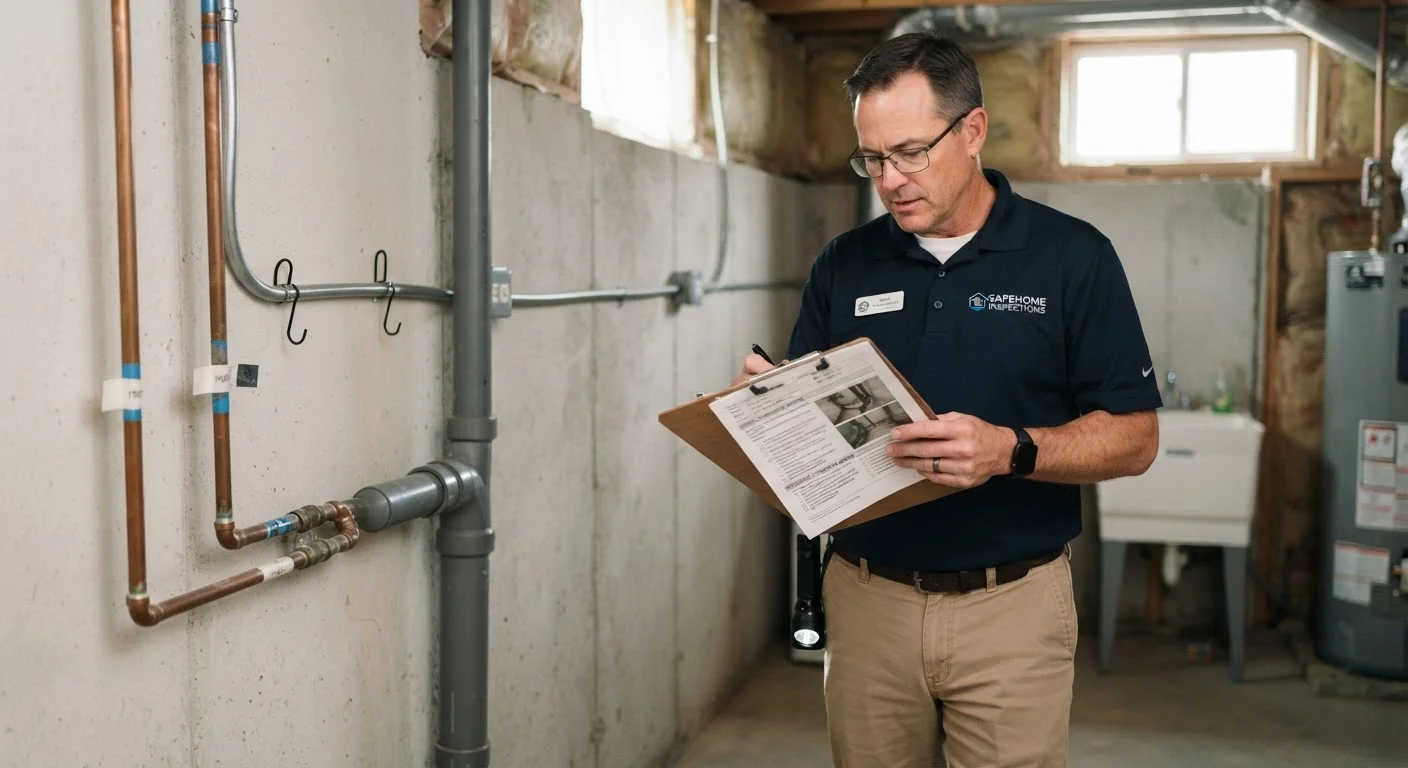
If possible, accompany the inspector during the inspection. Seeing deficiencies in person - rather than reading about them in a report later - gives you much better context for their severity. Ask the inspector to explain which items they'd address first if they were buying the home themselves.
As you build your maintenance calendar, the common homeowner maintenance oversights article can help you identify follow-through habits that prevent the items on your report from compounding over time.
~86%
Buyers who request a home inspection
According to the National Association of Realtors, the vast majority of home buyers in the U.S. include a home inspection contingency in their offer.
20-50 pages
Typical length of a home inspection report
Report length varies based on home size, age, and condition; longer reports reflect thoroughness, not necessarily more serious problems.
Using the Report After You've Moved In
The inspection report doesn't expire the day you get your keys. It functions as a baseline document for the home you've just taken ownership of - a starting record of what was observed, when, and in what condition.
Store your report somewhere accessible and revisit it annually. Cross-reference the "monitor" items each year to see whether conditions have changed. If the inspector noted that flashing around a chimney showed early signs of wear, checking it each spring only takes a few minutes and could prevent a costly leak.
The report also helps you prioritize home organization and safety improvements across your whole property. Combined with resources like home organization strategies, it's a practical tool for understanding your space from the inside out.
This article is for general informational and educational purposes only. Home inspection findings vary by property, region, and inspector. For decisions related to home purchase, renovation, or repair, consult a licensed home inspector, contractor, or qualified real estate professional in your area.
“A home inspection is not a warranty and not a guarantee. It is a snapshot - a professional opinion of the visible condition of the home on a single day.”
— American Society of Home Inspectors (ASHI), Professional organization setting standards for home inspection practice in the U.S.