

Key Takeaways
Option A
Secured Debt
The collateral-backed borrowing option.
Best for: Borrowers who can offer an asset as backing and want lower interest rates on large loans.
Option B
Unsecured Debt
The creditworthiness-based borrowing option.
Best for: Borrowers who need flexible access to credit without pledging a specific asset as collateral.
If you're financing a major purchase like a home or vehicle
Secured Debt
Mortgages and auto loans use the property itself as collateral, which typically results in lower interest rates than unsecured alternatives for large sums.
If you need flexible borrowing without pledging an asset
Unsecured Debt
Credit cards and personal loans don't require collateral, making them accessible for everyday expenses or emergencies when you don't want to risk a specific asset.
If you're concerned about protecting personal property during financial hardship
Unsecured Debt
Because unsecured creditors have no direct claim on a specific asset, defaulting doesn't trigger immediate repossession - though serious credit and legal consequences can still follow.
If you have strong credit and want to build long-term wealth through real estate
Secured Debt
A mortgage is a structured, long-term secured debt instrument that, managed responsibly, can build equity and net worth over time.
The Core Distinction: Collateral vs. Creditworthiness
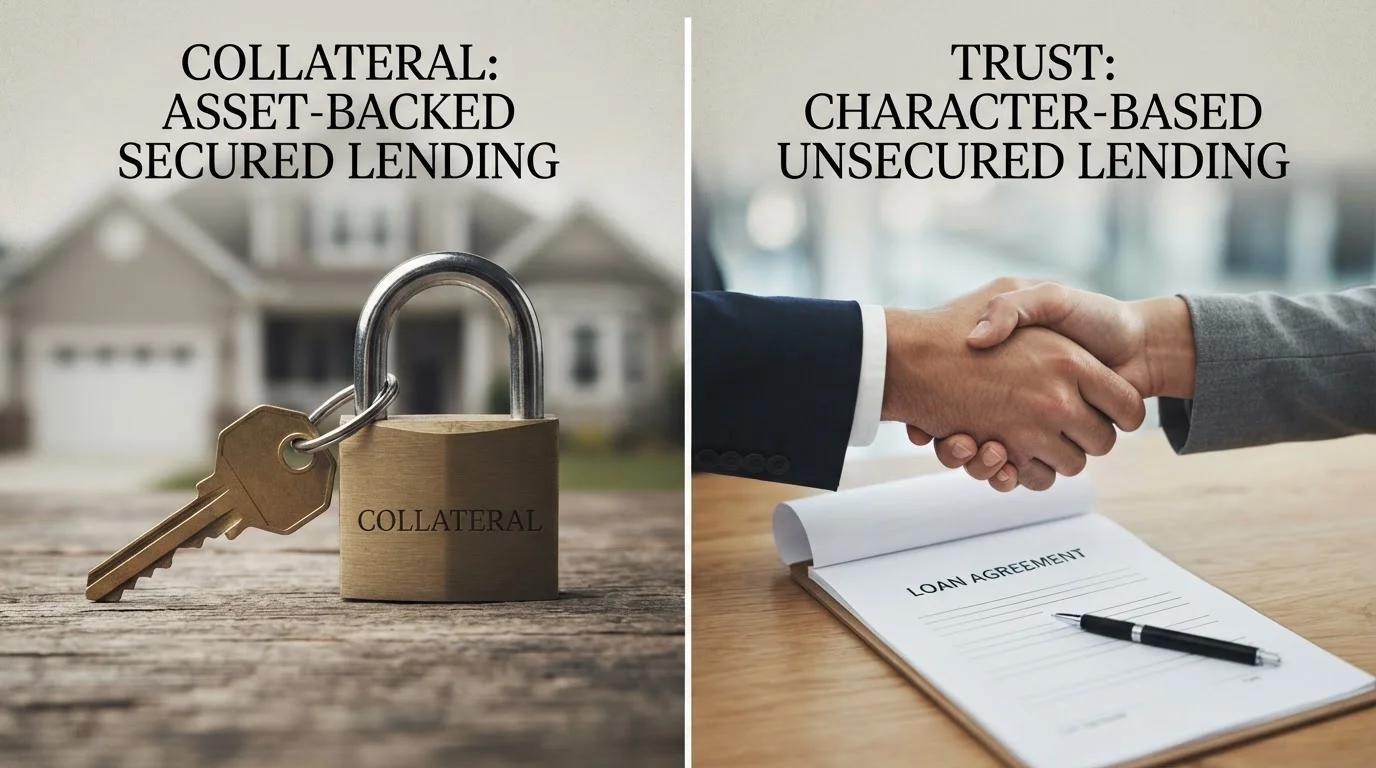
At its most fundamental level, the difference between secured and unsecured debt comes down to one question: is a specific asset pledged to back the loan?
With secured debt, the lender holds a legal claim - called a lien - on a specific piece of collateral. If you stop making payments, the lender has the right to seize and sell that asset to recover what they're owed. Common examples include mortgages (backed by your home) and auto loans (backed by the vehicle). Because the lender's risk is lower, secured debt typically comes with lower interest rates and higher borrowing limits.
With unsecured debt, no single asset is tied to the loan. Instead, the lender extends credit based on your credit score, income, and overall financial profile. Credit cards, personal loans, medical bills, and student loans (in most cases) fall into this category. If you default, the lender cannot directly seize property - but they can report the default to credit bureaus, pursue collections, or seek a court judgment, which could eventually lead to wage garnishment depending on your state's laws.
If you're just getting started with these concepts, our overview of credit and debt basics offers helpful foundational context.
| Criterion | Secured Debt | Unsecured Debt |
|---|---|---|
| Collateral required | Yes - specific asset pledged | No - based on creditworthiness |
| Common examples | Mortgage, auto loan, HELOC | Credit cards, personal loans, medical bills |
| Typical interest rates | Generally lower | Generally higher |
| Lender's recourse on default | Repossession or foreclosure | Collections, credit damage, potential judgment |
| Borrowing limits | Often higher, tied to asset value | Often lower, based on income and credit |
| Risk to personal property | Direct - pledged asset at stake | Indirect - possible wage garnishment via court |
| Credit score impact on default | Severe, plus asset loss | Severe, without direct asset loss |
What Happens When You Can't Pay
The consequences of missing payments differ significantly between secured and unsecured debt, and understanding this can guide how you prioritize repayment during financial hardship.
When you fall behind on secured debt, the lender's remedies are direct and tangible. A mortgage lender can begin foreclosure proceedings. An auto lender can repossess the vehicle - sometimes without advance court action, depending on state law. This makes secured debt a priority in most hardship scenarios: losing your home or car can derail daily life in ways that are difficult to recover from quickly.
With unsecured debt, default triggers a different chain of events. Creditors will report late payments to the credit bureaus, damaging your credit score. The account may be charged off and sold to a collections agency. From there, collectors may pursue legal action, and a court judgment could open the door to wage garnishment or bank levies - though the specific rules vary by state. Our article on what happens when debt goes to collections walks through that process in detail.
Neither outcome is consequence-free. But the type of consequence - losing an asset versus credit damage and potential legal action - shapes how urgently each debt demands your attention.
~$12T
Total U.S. mortgage debt outstanding
According to Federal Reserve data, mortgage debt represents the largest category of household secured debt in the United States.
~$1.1T
Total U.S. revolving credit card debt
Federal Reserve consumer credit data shows revolving credit - predominantly unsecured credit cards - is one of the largest categories of unsecured household debt.
20%+
Average credit card APR
The Consumer Financial Protection Bureau has noted that average credit card interest rates have risen to historically high levels in recent years, reflecting the higher-risk nature of unsecured lending.
How Debt Type Affects Your Borrowing Power
Lenders evaluate your overall debt profile when you apply for new credit. Both secured and unsecured obligations factor into your debt-to-income (DTI) ratio - a key measure of how much of your monthly gross income goes toward debt payments. A high DTI can limit your ability to qualify for new loans or favorable rates, regardless of whether your existing debts are secured or unsecured. Our guide to understanding your debt-to-income ratio explains how this figure is calculated and what thresholds matter to lenders.
The mix also matters. Mortgage debt is generally viewed differently than high revolving credit card balances when lenders assess risk. A large amount of unsecured revolving debt relative to your credit limits - known as your credit utilization rate - can weigh on your credit score more heavily than an equivalent amount in an installment loan like a mortgage.
If you're managing multiple debts, it's worth understanding how repayment strategy interacts with debt type. The debt snowball vs. debt avalanche comparison can help you think through whether to target high-interest unsecured debt first or build momentum differently. Similarly, debt consolidation may shift unsecured balances into a single loan - sometimes a secured one - changing the risk profile of your overall debt.
This article provides general financial education and is not personalized financial or legal advice. Consult a licensed financial adviser or attorney regarding your specific situation.
Secured vs. Unsecured in Bankruptcy
The secured vs. unsecured distinction becomes especially significant in bankruptcy proceedings. In a Chapter 7 bankruptcy, unsecured debts like credit card balances may be dischargeable, while secured debts are tied to the collateral - meaning you may need to surrender the asset or reaffirm the debt to keep it. Chapter 13 bankruptcy involves a repayment plan that treats secured and unsecured creditors differently. Bankruptcy law is complex; consult a licensed bankruptcy attorney to understand how your specific debts would be treated.