

Key Takeaways
Why This Myth-and-Fact Conversation Matters
Every dinner table comes with questions: Can the dog have a bite of this? Will a small piece of that hurt the cat? The answers circulating online range from genuinely protective to wildly overcautious - and sorting them out matters. Overreaction can cause unnecessary anxiety; under-caution can cause real harm.
This article sticks to what veterinary science and established toxicology support. For a broader look at which specific items belong on the danger list, see our detailed reference guide to toxic foods. And for a wider perspective on pet wellness, the Pet Health hub is a practical starting point.
Myth
All human food is dangerous for pets, so you should never share anything from your plate.
Fact
Many human foods are safe for pets in small amounts. The risk varies significantly by food type, quantity, and the individual animal.
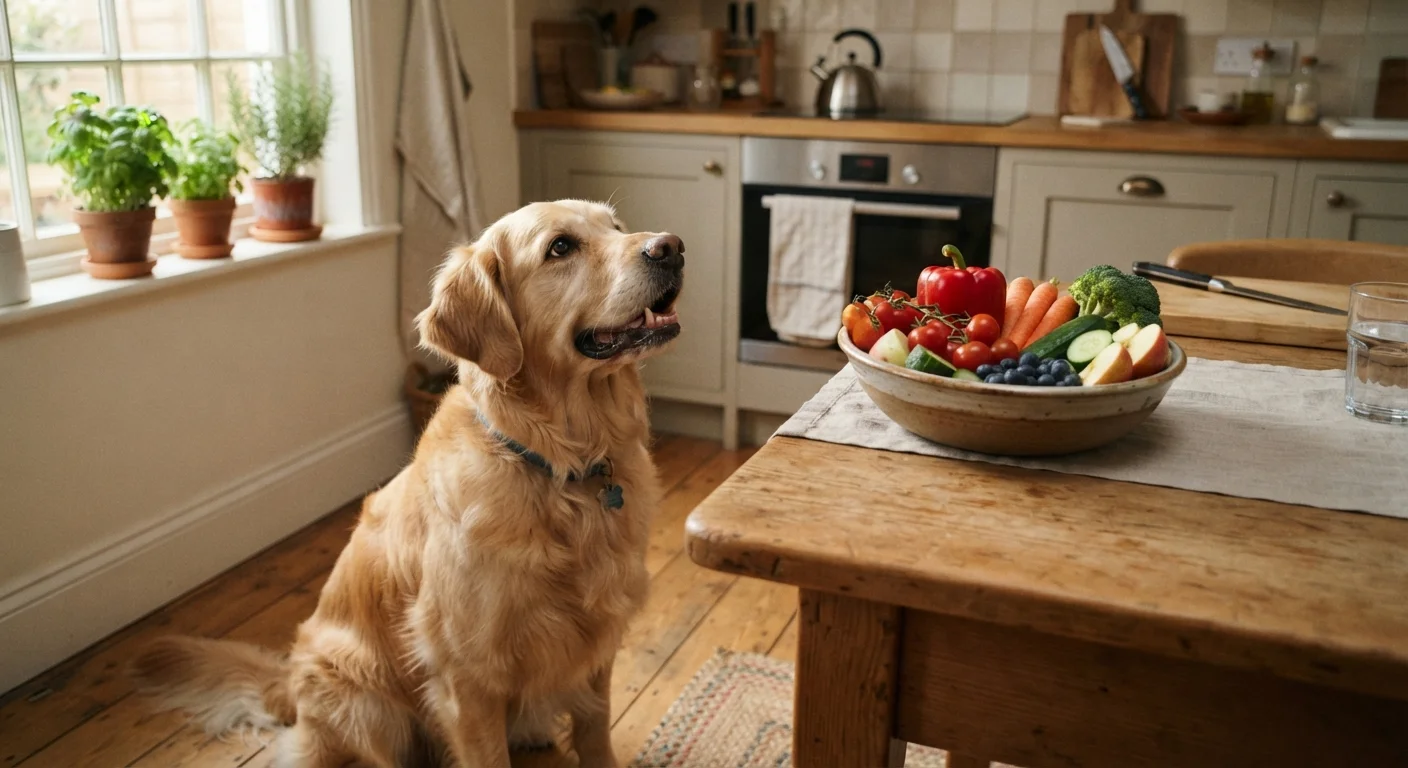
Veterinarians themselves sometimes recommend plain cooked chicken, plain white rice, or plain canned pumpkin for dogs with digestive upset. Blueberries, carrots, and plain cooked salmon are other examples with a reasonable safety profile for most healthy dogs. The blanket rule that all human food is forbidden overstates the risk and can make owners more anxious than the evidence warrants. What matters is knowing which specific foods carry real danger - and there are several that do.
Myth
A little chocolate won't hurt a dog - it's only dangerous in huge amounts.
Fact
Chocolate contains theobromine, which dogs metabolize far more slowly than humans. Even small amounts of dark chocolate or baking chocolate can cause serious symptoms.
Theobromine toxicity in dogs can cause vomiting, diarrhea, rapid heart rate, seizures, and in severe cases, death. The risk scales with the type of chocolate - dark chocolate and baking chocolate contain far more theobromine than milk chocolate - and with the dog's body weight. A small dog eating even a modest portion of dark chocolate warrants a call to your veterinarian or an animal poison control hotline. This is one area where the danger is well-established and the "small amount" qualifier does not reliably apply.
Myth
Garlic is actually good for dogs - it keeps fleas away and boosts the immune system.
Fact
Garlic, along with onions, leeks, and chives, belongs to the Allium family and is toxic to both dogs and cats, even in cooked form.
Allium vegetables contain compounds that damage red blood cells in dogs and cats, potentially leading to hemolytic anemia - a condition where red blood cells are destroyed faster than they can be replaced. Symptoms may not appear for several days after ingestion, which makes it easy to assume no harm was done. Claims about garlic repelling fleas or supporting immunity are not supported by peer-reviewed veterinary evidence, and the documented toxicity risk makes this a food to keep away from pets entirely.
Myth
Cats can safely eat the same things dogs can, so the rules are interchangeable.
Fact
Cats have distinct metabolic needs and sensitivities. Several foods tolerated by dogs - including onions and certain artificial sweeteners - are toxic to cats, and cats cannot safely eat a plant-based diet.
Cats are obligate carnivores, meaning they require specific nutrients found only in animal tissue, including taurine and arachidonic acid. Unlike dogs, cats lack the metabolic pathways to synthesize these from plant sources. Beyond diet composition, cats are also more sensitive to certain compounds: even small amounts of onion powder can cause anemia in cats, and the artificial sweetener xylitol - dangerous to dogs - affects cats differently but is still best avoided. The two species require separate consideration when evaluating any human food. For more on common species-specific misconceptions, see common pet health myths vets hear most often.
Myth
Peanut butter is always a safe treat for dogs.
Fact
Plain peanut butter without xylitol is generally considered safe for most dogs in small amounts, but many commercial varieties now contain xylitol, which is highly toxic to dogs.
Xylitol, a sugar alcohol used as a sweetener in some peanut butters, sugar-free gum, and baked goods, can trigger a dangerous drop in blood sugar and liver damage in dogs - sometimes from relatively small exposures. The safest approach is to read the ingredient label of any peanut butter before offering it to a dog and to choose varieties with no added sweeteners. Even xylitol-free peanut butter is calorie-dense, so portion control matters, particularly for dogs prone to weight gain.
Understanding Risk Level: Dose, Frequency, and Body Weight
One concept that cuts through a lot of confusion is dose-dependency. Whether a food causes harm often depends on how much a pet ate, how often, and the animal's size. A large dog who laps up a tiny drop of grape juice is in a different situation from one that ate a full bunch of grapes - though grapes remain a documented concern at any amount and should be avoided entirely.
Grapes and Xylitol: No Safe Threshold Known
Unlike some hazards where dose is the key variable, grapes, raisins, and xylitol do not have a clearly established safe lower limit for dogs. Individual dogs have had severe kidney failure from small grape exposures, and xylitol toxicity can occur from amounts found in just a few pieces of sugar-free gum. Treat both as absolute off-limits for pets, and contact your veterinarian or an animal poison control hotline immediately if accidental ingestion occurs.
Frequency is equally important. A single unseasoned bite of cooked chicken breast is unlikely to cause problems. A habit of daily table scraps - especially fatty, seasoned, or high-sodium foods - can gradually contribute to weight gain, digestive upset, or pancreatitis. The feeding habits that quietly harm pet nutrition covers those cumulative risks in detail.
Balanced commercial pet food is formulated to meet complete nutritional needs. Human food, even safe human food, should be treated as an occasional supplement - not a dietary foundation. For more on building sound feeding routines, visit our Pet Nutrition hub.
~232,000
Annual pet poison cases reported to U.S. hotlines
The ASPCA Animal Poison Control Center handles hundreds of thousands of cases each year, with food items consistently among the top exposure categories reported.
Top 3
Food toxin categories for dogs
Grapes and raisins, xylitol-containing products, and chocolate/caffeine are repeatedly cited among the most common food-related toxin exposures in dogs by veterinary toxicologists.
This article provides general educational information about pet nutrition and is not a substitute for personalized veterinary advice. Always consult a licensed veterinarian about your specific pet's diet and health needs.