

Key Takeaways
Start here
What Personal Style Actually Means
Next
How to Figure Out What You Like
Then
Dressing for Your Real Life
Apply it
Building a Starting Wardrobe Without Overwhelm
Watch out for
Common Beginner Mistakes to Avoid
What Personal Style Actually Means
Personal style is simply the visual language you use to present yourself to the world - and unlike fashion, it doesn't require keeping up with seasonal trends, owning luxury pieces, or knowing the difference between a shift dress and a wrap dress. It's a form of self-expression that anyone can develop, starting from wherever they are right now.
The most important thing to understand from the outset: there are no prerequisites. You don't need a fashion background, a large wardrobe, or a particular body type. What you do need is a willingness to pay attention to what you actually like versus what you feel like you should like - and those two things are often very different.
Personal style
The consistent way a person expresses their identity through clothing and accessories - distinct from fashion trends, which change seasonally.
Capsule wardrobe
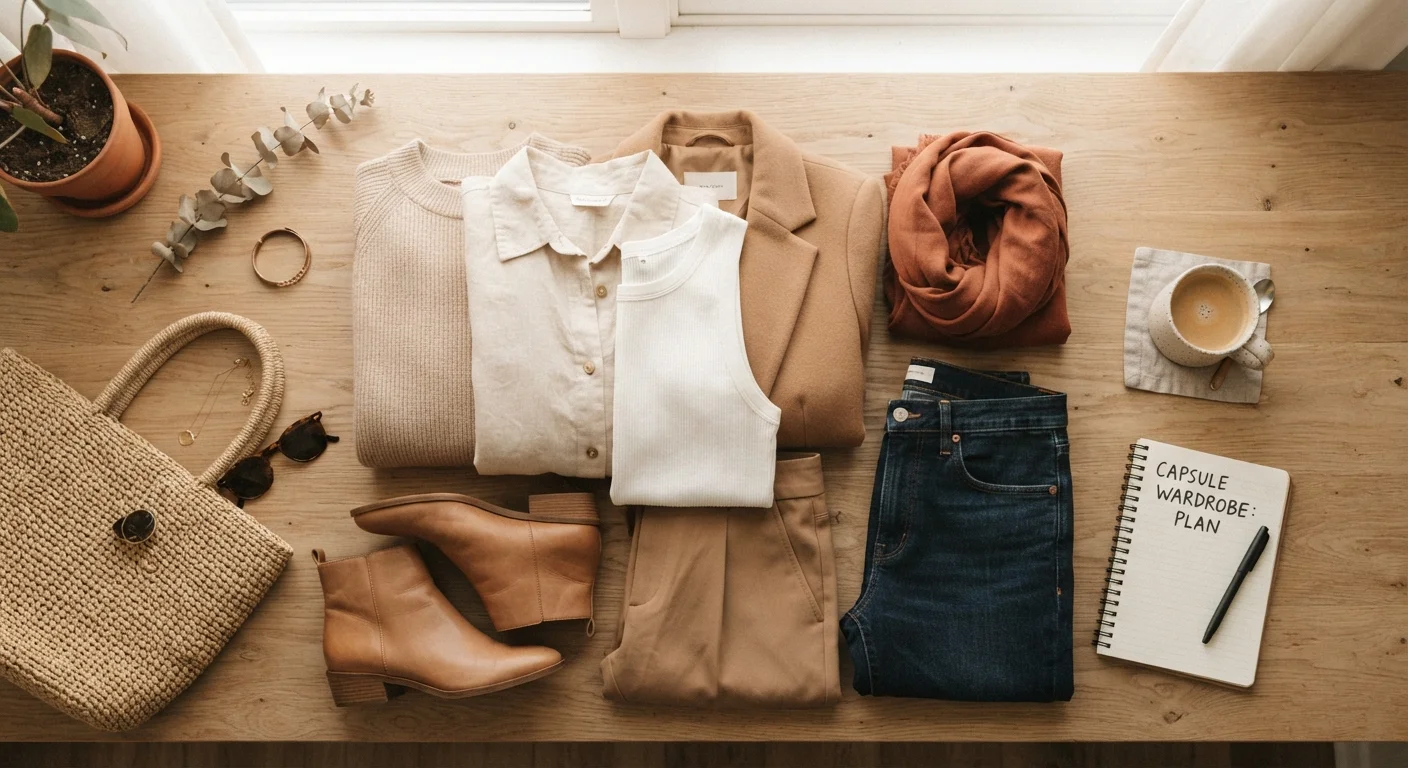
A small, curated collection of versatile clothing items that can be mixed and matched to create many different outfits with minimal effort.
Silhouette
The overall shape or outline of an outfit or clothing piece - for example, slim-fitting, boxy, flowy, or structured.
Wardrobe basics
Simple, neutral, or versatile pieces that form the backbone of a wardrobe and pair easily with many other items.
Visual inspiration
Images or references you collect because they appeal to you aesthetically - useful for identifying your own style preferences before buying anything.
How to Figure Out What You Like
Before you buy a single item, spend some time gathering visual inspiration. Save images that catch your eye - from everyday life, not just fashion accounts. Notice the colors, the general feel, the silhouettes. You don't need to analyze them deeply; you're just training yourself to recognize your own instincts.
After a week or two of this, look at what you've saved. Patterns will emerge naturally. Maybe you keep gravitating toward relaxed, earthy tones. Maybe you love structured blazers or flowy fabrics. These patterns are more useful than any style quiz, because they reflect your genuine preferences rather than a category someone else invented.
Try the 'Would I wear this tomorrow?' test
When you're unsure whether something truly fits your style, ask yourself: 'If this were clean and ready right now, would I actually put it on tomorrow?' If the answer is hesitation, that's useful information. Style confidence grows from wearing things you genuinely reach for, not things you're saving for the perfect occasion.
Think about the outfits you've felt most comfortable and confident in - not most glamorous, but most yourself. That feeling is your north star, and it's worth returning to it whenever you feel uncertain about a purchase or outfit choice.
Dressing for Your Real Life
One of the most common beginner mistakes is building a wardrobe for a fantasy life rather than an actual one. If you work from home most days, you don't need five office-ready blazers. If you spend weekends at parks and farmers markets, you need comfortable, easy clothes - not heels and structured bags.
Take an honest look at your week. What are you actually doing Monday through Sunday? Map your wardrobe needs to those real activities. This isn't about limiting yourself - it's about making sure your clothes genuinely serve you rather than hanging in your closet unused.
Style and budget are connected
Developing personal style is also a spending habit - and it's worth approaching it with the same intentionality you'd bring to any other area of your budget. If you haven't thought through your overall spending yet, the beginner's guide to budgeting is a useful starting point for understanding where clothing fits in your finances.
Building style around your real life also makes getting dressed much easier day to day. When everything in your closet fits your actual schedule, you'll spend less mental energy on outfit decisions and feel more at ease in what you're wearing.
Building a Starting Wardrobe Without Overwhelm
Rather than a complete overhaul, start small. Identify three to five gaps in your current wardrobe - pieces you genuinely reach for but don't own - and focus only on those. A good starting point is a handful of versatile, mix-and-match basics in colors that work well together. From there, you can add more expressive, personality-driven pieces over time.
Before adding anything new, shop your existing closet. Pull everything out, try things on, and notice what you actually feel good in. You may discover forgotten pieces that fit your style better than you remembered. This also helps you see patterns in what you already gravitate toward.
When you do shop, slow down. A considered approach to buying - even on a tight budget - will serve you much better than impulse purchases. For practical guidance on shopping with intention, the smart shopping overview is a helpful companion read. And if shopping itself feels draining, our guide on everyday fashion for people who hate shopping offers low-effort wardrobe strategies worth exploring.
Common Beginner Mistakes to Avoid
Buying trend-driven pieces before you know your own style is a reliable way to end up with a closet full of things you never wear. Trends move fast and are designed for mass appeal - they may or may not align with what actually suits you. Build your foundation first, then add trend-adjacent pieces selectively if they genuinely resonate.
Equally common is buying in bulk during a moment of motivation, only to regret most of it later. Style development is gradual. Patience here saves both money and frustration. Think of it like building a new routine - small, consistent steps beat dramatic one-off efforts every time.
Avoid Building a Wardrobe Around 'Someday'
Buying clothes for a future version of yourself - a different size, a different job, a lifestyle you're planning to have - almost always backfires. Dress for your life as it actually is today. Clothes that fit and suit your current reality will be worn and appreciated far more than aspirational pieces sitting unworn.
Finally, resist the urge to copy someone else's style wholesale. Inspiration is valuable; imitation tends to produce a wardrobe that feels like a costume. Use what you admire as a reference point, then filter it through what genuinely fits your life, your body, and your personality. That filtering process is personal style in action.