

Key Takeaways
Why Shopping Feels So Draining
Not everyone finds shopping fun. For a lot of people, it's an errand that involves fluorescent lighting, confusing sizing, too many options, and a receipt that doesn't quite feel worth it. That's not a personal failing - it's a reasonable response to a process that's genuinely inefficient.
The good news: you don't need to enjoy shopping to dress well. You need a wardrobe strategy that reduces how often you have to do it, and makes each trip count when you do. The rest of this guide is built around that premise.
It also helps to let go of the idea that a bigger closet means more options. As explored in The Real Pros and Cons of Owning a Lot of Clothes, more clothes often means more friction - more decisions, more clutter, more things that don't quite fit.
You Don't Need to Overhaul Everything at Once
A wardrobe reset doesn't have to happen in a single afternoon. Start by identifying your three most-worn pieces and build outward from those. Small, deliberate additions over time are less overwhelming and more likely to actually stick.
Start With What You Actually Wear
Before buying anything new, it's worth doing a single honest pass through your current closet. You're not decluttering for the sake of it - you're gathering data. Which pieces do you reach for automatically? Which ones get skipped every single week?
Pull out anything that doesn't fit well right now, regardless of what size is on the label. Fit is the biggest reason outfits stop working, and it's worth understanding why - Why Your Outfits Stop Working When You Gain or Lose Weight covers this in practical detail.
What you're left with is your actual working wardrobe. Note what's missing - not what you wish you had, but what would fill a genuine gap in daily rotation.
~20%
Clothes worn regularly from the average closet
Research and wardrobe audits consistently suggest most people wear a small fraction of what they own on a regular basis.
3-5 min
Average daily time lost to outfit indecision
Decision fatigue from overcrowded wardrobes is a commonly reported friction point in daily routines, according to behavioral research.
Build Around Fewer, More Versatile Pieces
A wardrobe built for low-effort dressing relies on pieces that work across multiple situations without requiring much coordination. Think in terms of what pairs with everything else you own, not what looks exciting on a hanger.
This is essentially the logic behind the capsule wardrobe concept. If you're new to it, The Capsule Wardrobe: What It Is and Whether It Works for Real Life offers a grounded look at how that approach holds up in everyday American life - without the aspirational lifestyle framing.
The practical foundation includes a handful of reliable basics: a clean-looking trouser or dark jean, a neutral knit or crisp shirt, a layer that works in most temperatures, and comfortable shoes that don't read as purely athletic. Wardrobe Basics Every Adult Should Own breaks down exactly why each one earns its place.
On color: a neutral base makes mixing easier, but color has real utility too. See Neutrals vs. Color: How to Decide What Belongs in an Everyday Wardrobe for a practical breakdown.
Before buying a new piece, physically hold it next to three things you already own to confirm it actually works with your wardrobe - not just in theory.
Most wardrobe misfires happen because something looks good in isolation but has no natural partners at home. A quick compatibility check before purchase prevents this common mistake.
If you're unsure whether a piece fits well enough, sit down, raise your arms, and take a few steps in it before deciding. Fit problems that aren't obvious standing still become very obvious in motion.
Good fit is the single biggest factor in whether clothes get worn. Pieces that are uncomfortable or restrictive in normal movement tend to stay on the hanger regardless of how they look.
Shop Less by Shopping Smarter
The goal isn't to avoid shopping forever - it's to make each trip purposeful enough that you don't need another one soon. That means going in with a specific gap to fill, not browsing until something feels acceptable.
Before any shopping trip, write down the one or two things your current wardrobe is genuinely missing. Stick to that list. If something else catches your eye, give yourself a few days before deciding - impulse buys are the main reason closets fill up with unworn items.
For anyone who needs a broader framework for evaluating quality and value before spending, Shopping Smarter: A Practical Overview for Everyday Consumers covers the core habits that make spending count.
Sales Can Work Against You
Discounts are motivating even when you don't need what's on offer. Buying something because it's marked down - rather than because it fills a real gap - is one of the main ways wardrobes accumulate unworn items. A reduced price on something you won't wear is still money spent.
Maintain What You Have
The single most underrated wardrobe strategy for people who hate shopping is making existing clothes last longer. Proper care dramatically extends how long garments stay wearable and presentable.
A few habits make the biggest difference: wash items less frequently when they're not actually dirty (airing out between wears is enough for many pieces), use cold water and gentle cycles to reduce wear on fabric, and hang or fold things properly so they don't lose their shape. Pilling on knitwear, for instance, is largely a friction and washing problem - easily reduced with a mesh laundry bag.
When something fits well but needs a small fix - a hem that's slightly too long, a seam that's coming loose - a tailor can often solve it inexpensively. This is a genuinely underused option. Getting Clothes Altered: What's Worth It and What the Process Involves explains what's realistic to expect.
Seasonal storage also plays a role. A good rotation system means your closet stays navigable year-round. Seasonal Wardrobe Rotation: A Room-by-Room Checklist walks through the process efficiently.
Dressing Well Without Thinking About It
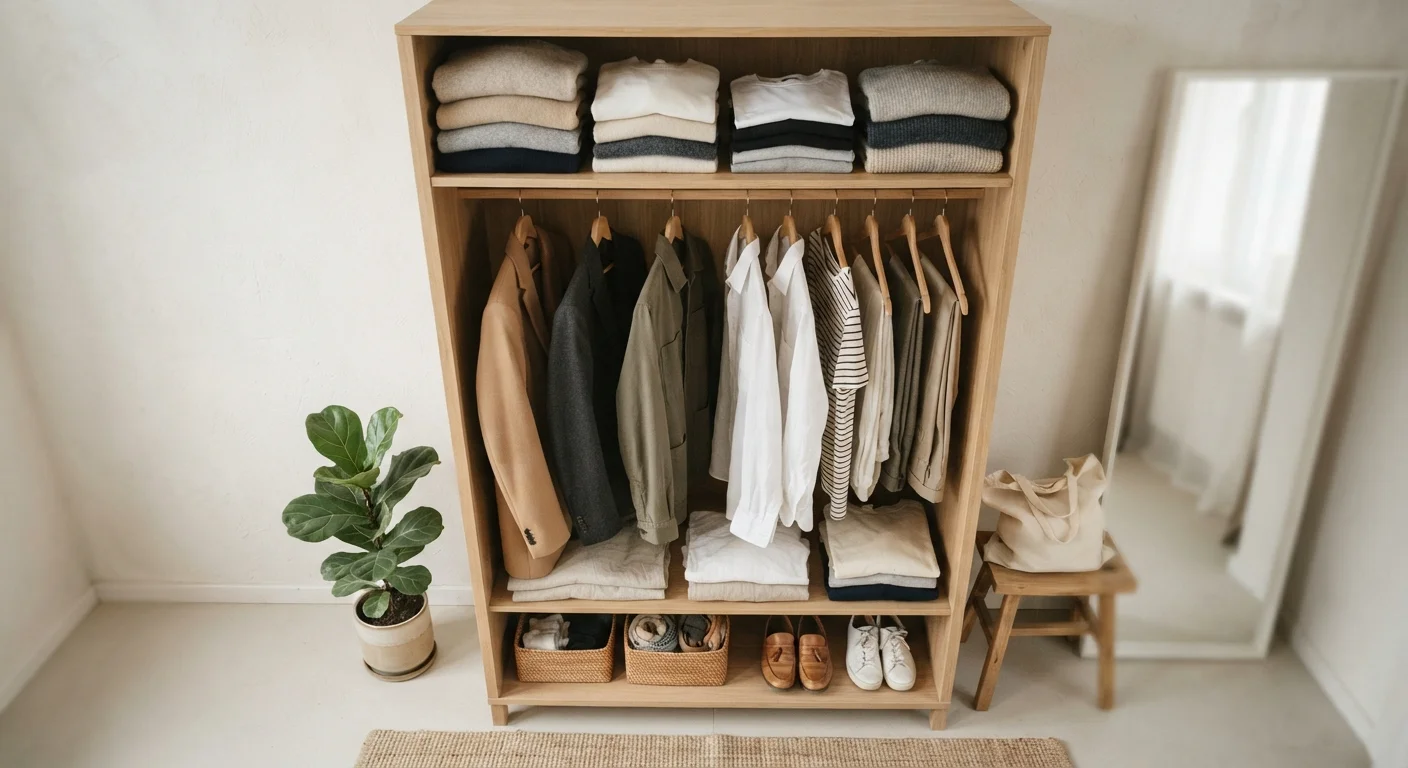
Once your wardrobe is trimmed down to pieces that fit, work together, and suit your actual life, getting dressed stops being a daily puzzle. That's the real payoff - not a particularly photogenic closet, but a functional one that requires almost no effort to use.
A few structural habits keep it that way: remove anything immediately when you realize you've stopped wearing it, replace only when something genuinely wears out, and resist the pull of trends that don't connect to anything you already own.
Many common style anxieties - about repeating outfits, about dressing for body type, about following seasonal trends - are less grounded in practical reality than they seem. The Myths That Make Getting Dressed Harder Than It Needs to Be examines these directly.
If you work a hybrid schedule, it's also worth making sure your wardrobe handles office and home days without requiring a totally separate set of clothes - Dressing for the Office When You Work from Home Twice a Week has practical guidance on exactly that.
This article provides general style and wardrobe guidance for informational purposes only. Individual needs, budgets, and circumstances vary.