

Key Takeaways
Capsule Wardrobe
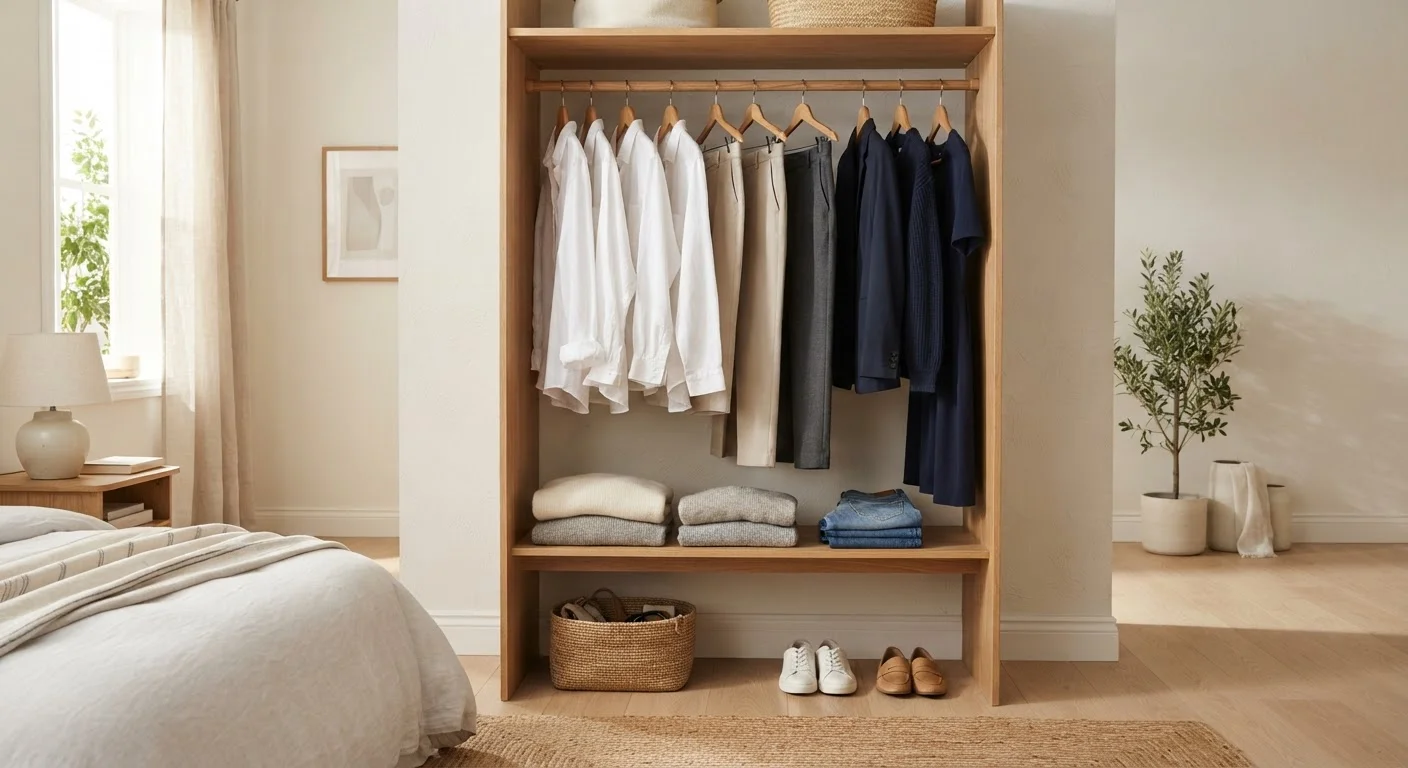
A capsule wardrobe is a small, intentionally chosen collection of clothing where every piece works well with the others. The idea is that a limited number of versatile items - typically ranging from around 30 to 50 pieces - can cover most of your daily dressing needs without clutter or decision fatigue. Rather than accumulating clothes, you curate them.
The concept is generally credited to London boutique owner Susie Faux, who coined the term in the 1970s, and was later popularized by designer Donna Karan's 1985 'Seven Easy Pieces' collection.
Where the Idea Comes From
The capsule wardrobe concept has been around for decades, but it gained major cultural traction in the 2010s alongside the minimalism movement and growing awareness of fast fashion's environmental costs. At its core, the idea is simple: own less, wear more of what you own.
The appeal is obvious. Most people wear roughly 20% of their clothes 80% of the time. The rest hangs in the closet generating guilt and clutter. A capsule wardrobe is an attempt to close that gap - to own only the clothes that are actually pulling their weight.
What it doesn't mean is a life of boring grey turtlenecks. A well-built capsule reflects your personality; it's just edited. Think of it as a curated playlist versus a disorganized music library - same songs you love, less noise. For a deeper look at the foundational pieces that anchor most capsules, wardrobe basics every adult should own offers a useful starting point.
How It Actually Works in Practice
The mechanics of a capsule wardrobe rely on intentional compatibility. Every piece you keep should work with at least three other items. A navy blazer pairs with jeans, dress trousers, and a casual dress. A white button-down goes under a sweater, over a skirt, or tucked into trousers. Versatility is the non-negotiable.
~20%
Of clothes worn regularly by most people
Widely cited in wardrobe psychology discussions, suggesting the majority of owned clothing rarely gets used in daily life.
33 items
Classic Project 333 capsule wardrobe target
Project 333, a popular minimalist fashion challenge created by Courtney Carver, suggests 33 items worn for 3 months as a structured starting point.
60%
Less time clothes are worn vs. 15 years ago
According to a report by the Ellen MacArthur Foundation, the average number of times a garment is worn before disposal has declined significantly over recent decades.
Building one typically involves three phases: audit (pulling everything out and being honest about what you actually wear), edit (removing items that don't fit your current life), and fill gaps (identifying the few items that would make the remaining pieces more functional). That last step is where most people overspend - the temptation to treat it as a shopping project is real.
Seasonal rotation is a natural companion to this approach. Rather than trying to stuff all four seasons into one capsule, many people maintain a core of year-round basics and swap in a handful of season-specific items. A room-by-room seasonal rotation checklist can make that process manageable.
Start With What You Already Own
Before buying a single new item, spend 30 minutes pulling out the clothes you actually reach for every week. Chances are, you already have the skeleton of a capsule wardrobe - you just haven't named it yet. Identify what's missing from that working core before adding anything new.
Where It Struggles - and How to Adapt
A capsule wardrobe works beautifully in theory. In real American daily life, it runs into some friction. If your week involves a gym, a construction site, a school drop-off, and a dinner out, a single tightly edited wardrobe may feel constraining. Active lifestyles, demanding jobs, and unpredictable weather all complicate the math.
The honest answer is that most people who succeed with a capsule approach adapt it rather than follow it rigidly. They might maintain a small capsule for work and a separate relaxed one for weekends, with a few crossover pieces bridging the two. If you're trying to stretch a smaller clothing budget, building a work wardrobe on a tight budget shows how capsule thinking can be practical even when funds are limited.
It's also worth examining the expectations the concept can carry. Some versions of capsule wardrobe culture push an aesthetic that feels curated for social media rather than real life. If you find yourself feeling like you're doing it wrong, you're probably comparing your Monday morning to someone else's styled photo shoot. The myths that make getting dressed harder than it needs to be is worth a read if perfectionism is creeping in.
Does It Actually Work? The Honest Assessment
For many people, yes - with caveats. The capsule wardrobe approach tends to work well for those who find decision fatigue around clothing genuinely draining, who want to shop less overall, or who are trying to be more intentional about what they consume. It's particularly effective for people who hate shopping and want a system that minimizes how often they need to do it.
“A capsule wardrobe doesn't restrict your freedom - it defines it. When you know exactly what you have and it all works together, getting dressed becomes a decision you've already made.”
— Susie Faux, London boutique owner credited with coining the term 'capsule wardrobe' in the 1970s
It tends to work less well for people who genuinely enjoy variety and novelty in dressing, those whose lifestyle involves very different dress codes daily, or anyone trying to stick to a rigid count rather than a flexible philosophy. The number of pieces matters far less than whether they genuinely match your actual life - not the life you imagine yourself living.
The contrast with a larger, more varied wardrobe is real too: a fuller closet offers creative range but comes with its own friction. The real pros and cons of owning a lot of clothes gives a fair look at both sides.
Ultimately, the capsule wardrobe is a framework, not a doctrine. Take the parts that solve your actual problems - the clutter, the morning paralysis, the impulse buys - and leave the rest.