

Key Takeaways
Protective Styling
Protective styling refers to hairstyles that tuck away the ends of your hair and minimize how often strands are manipulated, brushed, or exposed to friction. The goal is to reduce breakage and help hair retain length over time. Common examples include box braids, twists, cornrows, buns, and wigs.
Protective styles work by limiting mechanical stress on the hair shaft - particularly at the fragile ends - rather than by actively stimulating growth at the follicle level.
What Protective Styles Are Actually Protecting Against
The name is intuitive, but it's worth being specific: protective styles guard against mechanical damage - the everyday wear and tear caused by friction, manipulation, and environmental exposure. Every time you detangle, style, or even sleep on loose hair, you're generating stress on the hair shaft. Over time, that stress adds up as split ends, mid-shaft breakage, and thinning. Tucking your ends away and leaving them undisturbed for weeks at a time dramatically reduces that friction load.
What protective styles do not protect against: chemical damage, heat damage from a previous session, poor nutrition, or a dry, unhealthy scalp. They also don't accelerate the rate at which hair grows from the follicle - that's a common misconception worth clearing up. For more on why length retention and growth rate are two different things, see our breakdown of hair growth myths.
Retention vs. Growth: An Important Distinction
Hair typically grows roughly half an inch per month for most people, regardless of styling choices. Protective styles help you hold onto that growth by reducing breakage - so more of what grows actually stays on your head. This is called length retention, and it's the real mechanism behind the length gains many people notice after consistently wearing protective styles.
The Most Common Protective Styles and How They Differ
Not all protective styles offer the same level of protection or suit every hair type equally. Here's a quick look at the main categories:
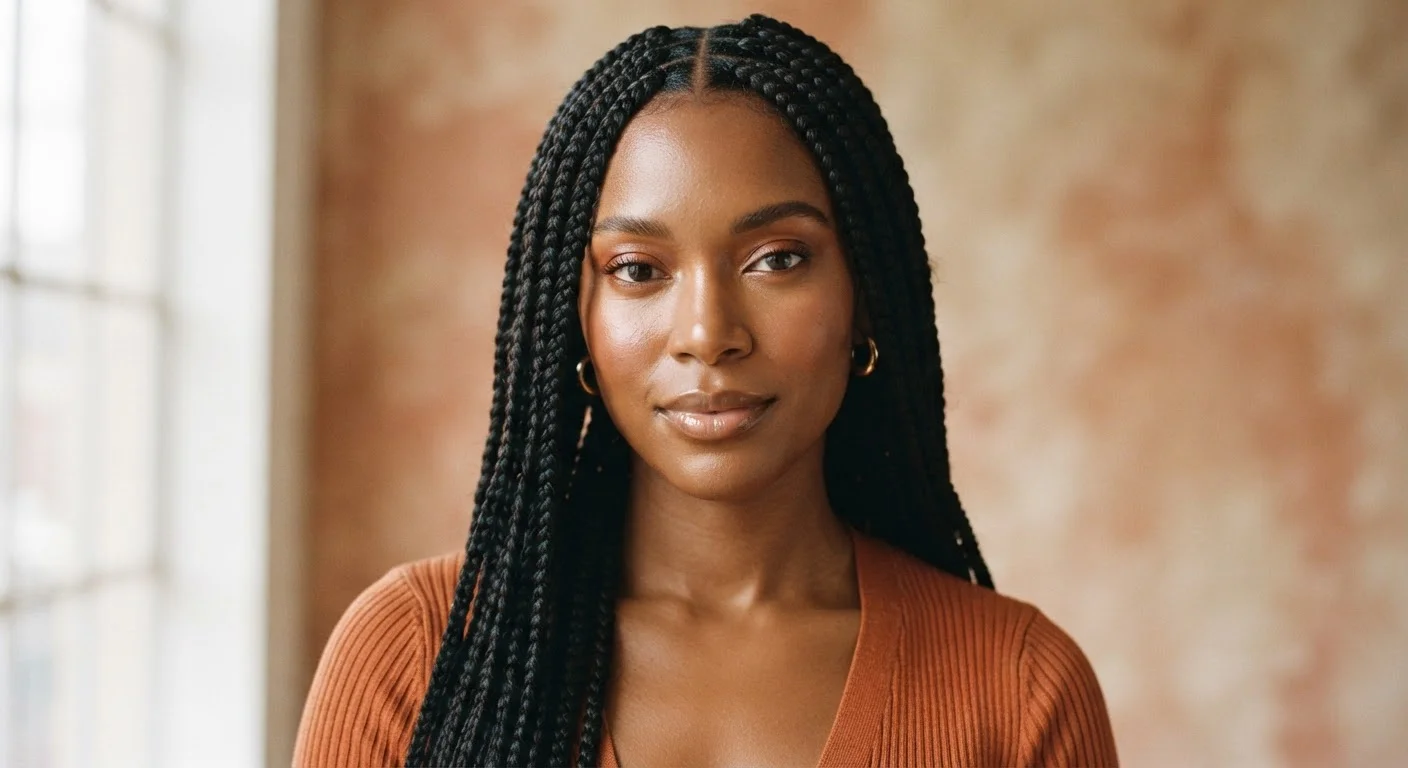
- Box braids and Senegalese twists: Hair is sectioned and braided or twisted, typically with extension hair added for length and density. Ends are completely tucked. These offer strong protection but require careful installation tension.
- Cornrows: Hair is braided flat to the scalp in rows. Excellent for low-manipulation wear, though very tight cornrows near the edges are a common source of tension damage.
- Buns and updos: Natural hair is gathered and secured. These work best when the bun sits loosely - a tight bun held in place by elastic bands can stress the hairline and cause breakage at the point of contact.
- Wigs and half-wigs: Your natural hair is braided, twisted, or pinned flat underneath while the wig sits on top. The protective benefit depends entirely on how well the hair underneath is maintained.
Your hair's porosity and density also influence which styles suit you best. Understanding your hair's porosity and density helps you choose a style and prep routine that actually works with your strands.
~0.5 in
Average monthly hair growth for most adults
This figure reflects general estimates cited in dermatology literature; individual growth rate varies by genetics, age, nutrition, and health status.
6-8 weeks
Recommended maximum wear time for braided styles
Most hair care professionals and trichologists advise against leaving extension braids or twists in beyond this window to prevent matting and follicle stress.
~1/3
Of hair loss cases linked to traction-related causes
Traction alopecia - caused by chronic tension on follicles - is among the most commonly cited preventable forms of hair loss, particularly among those who regularly wear tight styles.
Where Protective Styles Go Wrong
The biggest irony of protective styling is that done incorrectly, these styles can cause the very damage they're meant to prevent. The three most common failure points are:
- Too much tension at installation. Tightness feels secure, but chronic pulling on follicles - especially around the hairline and temples - can cause traction alopecia. If your scalp hurts after getting braids, that's a signal, not something to push through.
- Neglect during the wear period. Hair still needs moisture while it's braided or twisted. Skipping hydration leads to brittleness, and brittle hair breaks when the style is eventually taken down. A diluted leave-in or water-based spray applied regularly keeps strands supple.
- Leaving the style in too long. Beyond six to eight weeks, new hair growth can begin to loc or tangle around the base of extensions, making takedown difficult and damaging. The style that was protecting your hair becomes a source of breakage.
Takedown technique matters just as much as installation. Rushing removal - especially with braids or twists - generates significant breakage. Our guide to detangling without breakage covers the patience-based approach that keeps strands intact post-style.
Ask for Lighter Tension at the Hairline
When getting braids or cornrows installed by a stylist, it's completely appropriate to ask them to leave the edges and temple area slightly looser than the rest. The hairline is the most vulnerable zone for traction-related damage, and a small reduction in tension there makes a meaningful difference over repeated installs. Your comfort during and after installation is a reliable indicator of whether tension is appropriate.
How to Set Your Hair Up for Success Before and After
What you do before installing a protective style shapes the entire experience. Going in with a clean, well-moisturized foundation means your hair starts the wear period in the best possible condition. Clarify buildup, deep condition, and detangle thoroughly before any braiding or twisting begins - this is especially important if you're transitioning away from frequent heat styling, which can leave strands more porous and fragile.
After takedown, resist the urge to immediately re-install another style. Give your hair and scalp a rest period - at least a week of gentle wash-and-go or loose styles - so you can assess the condition of your strands, treat any dryness or damage, and allow your follicles a break from tension. Protective styling works best when it's part of a thoughtful, rotating hair care plan, not a permanent avoidance of engagement with your own hair.
If you're building a broader natural hair routine, this foundational guide for coils and kinks covers how protective styles fit into the bigger picture of moisture, detangling, and long-term hair health.