

Key Takeaways
Pet Wellness Exam
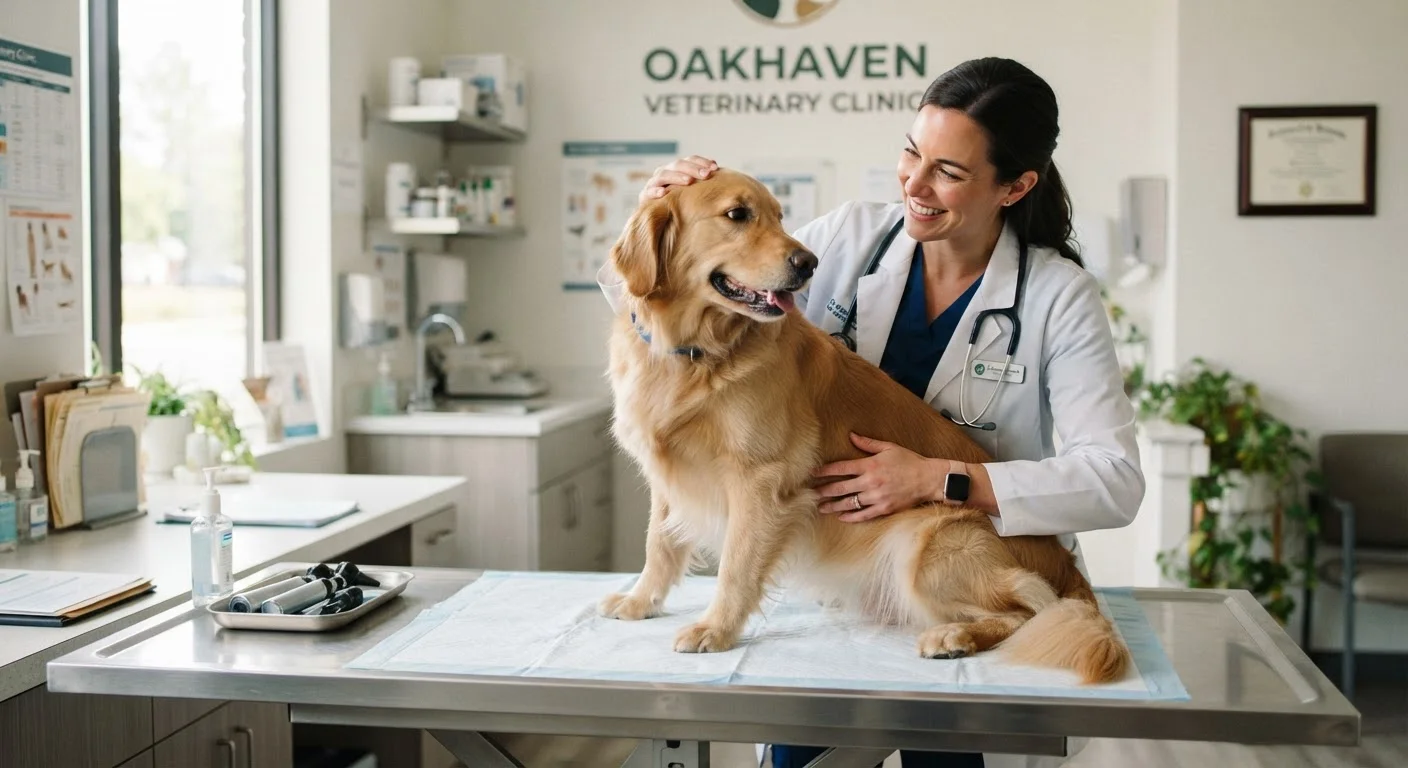
A pet wellness exam is a scheduled, routine veterinary visit designed to assess your pet's overall health when they are not visibly sick. Unlike an illness visit, its purpose is early detection, prevention, and establishing a health baseline. The vet evaluates your pet from nose to tail, reviewing body systems, behavior, nutrition, and preventive care needs.
Veterinarians use wellness exams to establish a clinical baseline that makes future comparisons meaningful - subtle changes in weight, heart rate, or organ size are often only detectable when compared against prior records.
More Than a Quick Look-Over
Many pet owners describe a wellness exam as a brief check where the vet listens to the heart and moves on. In practice, a well-conducted wellness visit is a systematic, head-to-tail evaluation of more than a dozen body systems. Understanding what's actually being assessed helps you arrive prepared and get more from every visit.
Vets begin with weight and body condition - two distinct things. Weight alone tells you a number; body condition scoring (a standardized 1-9 scale used across veterinary medicine) tells you whether that number represents a healthy frame. This is where conversations about excess weight and its health consequences often begin, long before a pet looks visibly overweight to their owner.
The physical exam itself typically includes evaluation of the eyes, ears, nose, lymph nodes, skin and coat, mouth and teeth, heart and lungs, abdomen, musculoskeletal structure, and neurological responsiveness. Each area has clinical significance - a dull coat may suggest nutritional gaps, a firm abdomen could indicate organ enlargement, and subtle joint stiffness may be the earliest sign of arthritis.
Prepare Observations Before the Visit
Write down any behavioral or physical changes you've noticed at home - changes in appetite, water intake, energy, litter box habits, or gait. Vets rely heavily on owner observations to contextualize what they find during the exam. Even something that seems minor to you may be clinically relevant.
What Vets Are Listening and Feeling For
Auscultation - listening with a stethoscope - lets a vet detect heart murmurs, arrhythmias, and abnormal lung sounds that owners would never notice at home. Early-stage heart disease in dogs, for example, often produces a detectable murmur years before any outward symptoms appear. Catching it early changes the monitoring and management approach significantly.
Palpating the abdomen allows vets to feel organ size and texture. An enlarged spleen, firm kidney, or unusual mass can be detected manually during a routine exam. This is one reason wellness visits carry diagnostic weight that a quick visual inspection simply cannot replicate.
Dental assessment is another key component that often surprises owners. The mouth is examined for tartar buildup, gum inflammation, loose or fractured teeth, and oral masses. Dental disease affects the majority of adult pets and is connected to systemic conditions - yet it's among the most frequently skipped areas of home care. The wellness exam is often the first time a dental problem is formally identified.
80%
Adult pets with dental disease by age 3
According to the American Veterinary Medical Association, dental disease is one of the most common conditions identified during routine wellness exams in dogs and cats.
2x/year
Recommended exam frequency for senior pets
Most veterinary guidelines recommend bi-annual wellness visits for dogs and cats in their senior years, reflecting increased risk of age-related conditions.
60%+
US pets classified as overweight or obese
The Association for Pet Obesity Prevention has consistently found that more than half of dogs and cats in the United States are above a healthy body weight.
Preventive Care and the Conversation That Follows
Beyond the physical assessment, wellness exams are structured conversations about prevention. Your vet will review your pet's vaccination history and determine which immunizations are due - this isn't a one-size-fits-all decision. Vaccine schedules depend on your pet's age, lifestyle, and risk factors, not just a fixed calendar.
Parasite prevention - heartworm, fleas, ticks, and intestinal parasites - is also reviewed. Many vets include a fecal test to check for parasites not visible to the naked eye. Blood panels may be recommended based on age or history; these screen for kidney function, liver values, thyroid levels, and blood cell counts.
Nutrition and weight management are standard talking points. If your pet's diet or feeding habits have changed, that context helps the vet interpret body condition trends. The pet nutrition hub offers supporting information for owners who want to build on what they discuss at the visit.
If you've recently added a pet to your household, a first-30-day health checklist can help you arrive at the first wellness exam with the right records and questions ready.
This article is for general informational purposes and does not constitute veterinary medical advice. Always consult a licensed veterinarian for guidance specific to your pet's health needs.