

Key Takeaways
Summary
22 items · 30-60 minutes to review and act on
Why the First 30 Days Set the Foundation
Bringing a new pet home is exciting, but those first four weeks are medically and behaviorally critical. Many health issues - parasites, infections, nutritional deficiencies, and congenital conditions - either emerge or are best addressed during this window. Acting systematically now reduces the risk of costly, stressful emergencies later.
This checklist is organized into four practical categories. Work through each group in order - the earlier items are time-sensitive. For a broader look at what the first month involves beyond health, see our first 30 days with a new pet guide.
Don't Skip the First Vet Visit
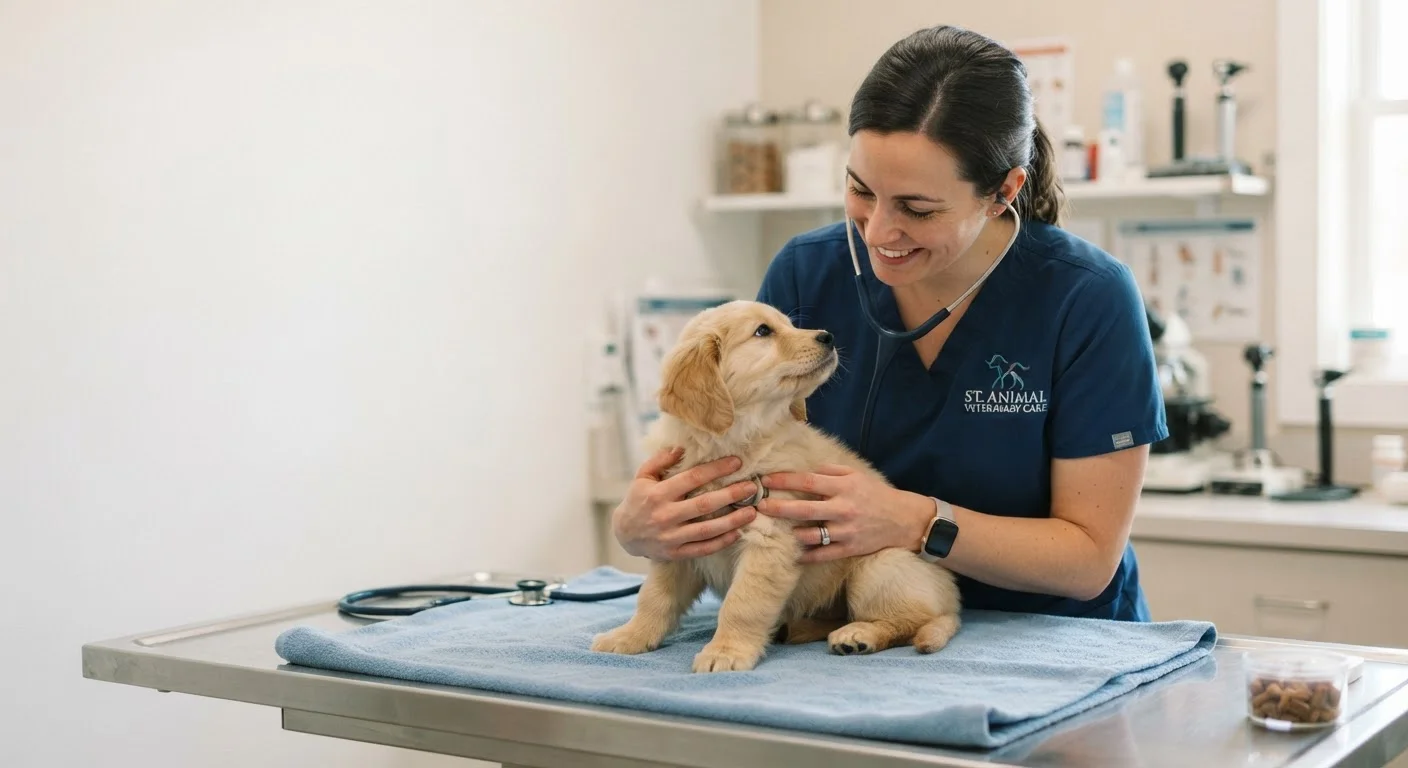
Even a pet that looks perfectly healthy can carry intestinal parasites, respiratory infections, or undetected congenital issues. A physical exam in the first week allows your veterinarian to establish a baseline, identify risks specific to your pet's breed and age, and set up a preventive care schedule. Skipping or delaying this visit is one of the most common - and costly - mistakes new pet owners make.
This checklist provides general health information for educational purposes only. It is not a substitute for professional veterinary advice. Always consult a licensed veterinarian for guidance specific to your pet's species, breed, age, and medical history.
What You'll Need Before You Begin
Before working through the health steps below, gather the right tools and information. Having these on hand prevents delays and keeps your first vet visit as productive as possible.
Prior veterinary or shelter health records
Gives your new vet a complete picture of vaccinations received, treatments given, and any known conditions.
A secure pet carrier or leash
Required for safe transport to and from veterinary appointments during the first month.
A written list of questions for your vet
Helps you make the most of the first appointment by covering vaccines, diet, parasite prevention, and behavioral concerns.
Digital kitchen scale
Allows accurate portion measurement for food, which is especially important for puppies, kittens, and small animals.
Pet first-aid reference guide
Provides guidance on recognizing emergencies and initial steps while reaching a veterinarian.
Once you have these resources organized, you're ready to move through the checklist. Understanding what a wellness exam actually covers can also help you ask better questions at that first appointment.
The Complete 30-Day Health Checklist
Work through these grouped items sequentially. Items marked must are non-negotiable health and safety priorities. Should items are strongly recommended within the timeframe. Nice-to-have items strengthen long-term care but can be addressed slightly later if needed.
Days 1-3: Immediate Health Priorities
Week 1: Veterinary and Preventive Care
Weeks 2-3: Nutrition and Daily Routine
Week 4: Health Monitoring and Next Steps
Watch for These Early Warning Signs
Contact your veterinarian promptly if your pet shows any of the following in the first 30 days: prolonged refusal to eat or drink, persistent vomiting or diarrhea, unusual nasal or eye discharge, labored breathing, extreme lethargy, or swollen abdomen. These can signal infections, parasites, or other conditions that require professional evaluation. Do not attempt to diagnose or treat at home - early intervention is almost always more effective and less costly.
Once the basics are covered, take time to learn about ongoing care. The pet vaccination schedule guide explains booster timing and lifestyle vaccines in plain language, so you stay on track well beyond the first month. For feeding decisions, our pet nutrition hub offers practical, vet-informed dietary guidance.
After the First 30 Days: What Comes Next
Completing this checklist means your pet has a medical baseline, is protected against core threats, and is settling into a healthy routine. That's a strong start - but it's just the beginning. Annual wellness exams, updated parasite prevention, and dental care become the pillars of ongoing health. Our guide to your pet's annual wellness exam walks through what vets assess at each visit and why it matters over a lifetime.
It's also worth planning ahead for unexpected situations. A well-stocked pet emergency kit and a clear sense of the financial realities of pet ownership will help you respond confidently if something unexpected arises.
This article is for general informational and educational purposes only and does not constitute veterinary or medical advice. Consult a licensed veterinarian for recommendations tailored to your pet's individual needs.