

Key Takeaways
Associated with lower cardiovascular disease risk
Multiple large cohort studies link plant-predominant diets to reduced rates of heart disease and stroke, partly due to lower intake of saturated fat and higher intake of fiber and phytonutrients.
Supports healthy blood sugar regulation
High fiber content from legumes, whole grains, and vegetables slows glucose absorption, contributing to more stable blood sugar levels and reduced risk of type 2 diabetes.
Typically higher in dietary fiber
Plant foods are the primary source of dietary fiber, and plant-based eaters consistently report higher fiber intake, supporting digestive health and long-term satiety.
Rich in antioxidants and phytonutrients
Fruits, vegetables, legumes, and whole grains supply polyphenols, carotenoids, and flavonoids that are associated with reduced inflammation and lower chronic disease risk.
Lower intake of processed red meat
Reducing or eliminating processed red meat decreases exposure to compounds linked with colorectal cancer and cardiovascular disease in epidemiological research.
Vitamin B12 unavailable from plant foods
B12 is found almost exclusively in animal products; fully vegan individuals must supplement or consume B12-fortified foods to avoid deficiency, which can cause serious neurological harm.
Lower bioavailability of plant-sourced iron
Non-heme iron in plant foods is absorbed at a lower rate than heme iron in meat; vegetarians and vegans may need higher total iron intake to meet their needs.
Omega-3 fatty acids harder to obtain adequately
Plant sources provide ALA (alpha-linolenic acid), but conversion to the EPA and DHA forms - important for brain and heart health - is inefficient; algae-based DHA supplements address this gap for those avoiding fish.
Calcium and vitamin D require planning
Without dairy, calcium must come from fortified plant milks, tofu made with calcium sulfate, leafy greens, or almonds; vitamin D is similarly limited across all diets and may require supplementation.
Zinc absorption reduced by phytates
Phytic acid in legumes and whole grains binds zinc and reduces absorption; soaking, sprouting, or fermenting these foods can help, but overall zinc status warrants monitoring.
Risk of over-reliance on ultra-processed alternatives
Commercially produced meat and dairy substitutes are often high in sodium and refined ingredients; a nutritious plant-based diet requires emphasizing whole foods, not just swapping in packaged alternatives.
Our Verdict
Plant-based eating offers well-documented benefits for cardiovascular health, metabolic health, and overall dietary quality when done thoughtfully. The trade-offs are real but manageable: several nutrients require deliberate sourcing or, in some cases, supplementation. With informed planning, most healthy adults can meet their nutritional needs on a plant-forward diet.
Best suited to individuals motivated to improve their long-term health outcomes who are willing to engage with nutritional planning - or to work with a registered dietitian to ensure balance.
What Plant-Based Eating Actually Means
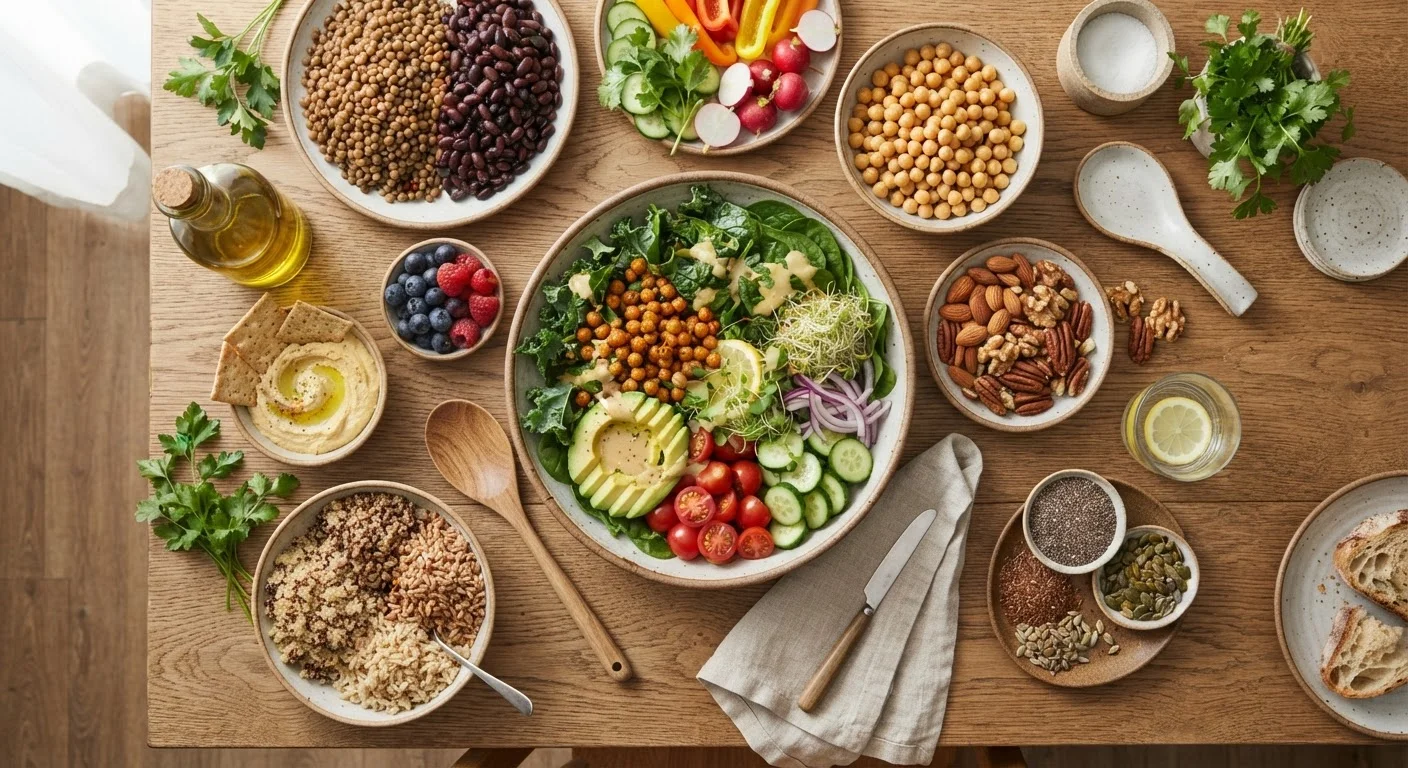
The term plant-based eating spans a wide range of patterns - from fully vegan diets that exclude all animal products, to flexitarian approaches that keep meat as an occasional feature rather than a daily staple. What unites them is an emphasis on vegetables, fruits, legumes, whole grains, nuts, and seeds as the dietary foundation.
This distinction matters because the nutritional trade-offs shift significantly depending on how strictly someone follows a plant-forward pattern. A person who eats salmon twice a week and occasional dairy has a very different nutritional profile than someone eating exclusively from the plant kingdom. This article focuses on the shared benefits and shared risks across the spectrum, with particular attention to areas where exclusion of animal products creates nutritional planning demands.
For a broader look at how plant-based principles compare to other research-backed eating patterns, see how the Mediterranean, DASH, and whole-food diets compare.
The Nutritional Advantages
The evidence base for plant-forward diets is robust. Observational studies and clinical trials consistently associate them with several meaningful health outcomes.
Associated with lower cardiovascular disease risk
Multiple large cohort studies link plant-predominant diets to reduced rates of heart disease and stroke, partly due to lower intake of saturated fat and higher intake of fiber and phytonutrients.
Supports healthy blood sugar regulation
High fiber content from legumes, whole grains, and vegetables slows glucose absorption, contributing to more stable blood sugar levels and reduced risk of type 2 diabetes.
Typically higher in dietary fiber
Plant foods are the primary source of dietary fiber, and plant-based eaters consistently report higher fiber intake, supporting digestive health and long-term satiety.
Rich in antioxidants and phytonutrients
Fruits, vegetables, legumes, and whole grains supply polyphenols, carotenoids, and flavonoids that are associated with reduced inflammation and lower chronic disease risk.
Lower intake of processed red meat
Reducing or eliminating processed red meat decreases exposure to compounds linked with colorectal cancer and cardiovascular disease in epidemiological research.
High fiber intake is one of the most consistent benefits. Most Americans consume far less than the recommended 25-38 grams of fiber per day, and plant-centered diets naturally close that gap. Fiber supports digestive health, helps regulate blood sugar, and contributes to satiety - a factor explored in detail in our piece on why high-volume, low-calorie meals don't always satisfy.
The protective cardiovascular effects appear partly driven by replacing saturated fat (concentrated in red and processed meats) with unsaturated fats from plants, alongside the anti-inflammatory properties of phytonutrients - compounds found almost exclusively in plant foods.
The Nutrients That Require More Planning
Acknowledging the advantages shouldn't obscure the real nutritional gaps that can emerge without deliberate planning. These aren't reasons to avoid plant-based eating - they are reasons to approach it with knowledge.
Vitamin B12 unavailable from plant foods
B12 is found almost exclusively in animal products; fully vegan individuals must supplement or consume B12-fortified foods to avoid deficiency, which can cause serious neurological harm.
Lower bioavailability of plant-sourced iron
Non-heme iron in plant foods is absorbed at a lower rate than heme iron in meat; vegetarians and vegans may need higher total iron intake to meet their needs.
Omega-3 fatty acids harder to obtain adequately
Plant sources provide ALA (alpha-linolenic acid), but conversion to the EPA and DHA forms - important for brain and heart health - is inefficient; algae-based DHA supplements address this gap for those avoiding fish.
Calcium and vitamin D require planning
Without dairy, calcium must come from fortified plant milks, tofu made with calcium sulfate, leafy greens, or almonds; vitamin D is similarly limited across all diets and may require supplementation.
Zinc absorption reduced by phytates
Phytic acid in legumes and whole grains binds zinc and reduces absorption; soaking, sprouting, or fermenting these foods can help, but overall zinc status warrants monitoring.
Risk of over-reliance on ultra-processed alternatives
Commercially produced meat and dairy substitutes are often high in sodium and refined ingredients; a nutritious plant-based diet requires emphasizing whole foods, not just swapping in packaged alternatives.
The most clinically significant concern is vitamin B12. This vitamin is produced by microorganisms and found reliably only in animal-derived foods. People eating fully vegan diets who do not supplement B12 are at genuine risk of deficiency, which can cause irreversible neurological damage if prolonged. This is not a matter of degree - supplementation or B12-fortified foods are a non-negotiable element of a vegan diet.
Iron deserves careful attention too. Plant foods contain non-heme iron, which the body absorbs less efficiently than the heme iron in meat. Pairing iron-rich plant foods (lentils, tofu, pumpkin seeds) with vitamin C sources improves absorption. Avoid consuming calcium-rich foods or tea at the same meal, as both inhibit iron uptake.
Absorption Is as Important as Intake
Nutrient absorption from plant foods can be influenced by preparation methods and food pairing. Soaking or sprouting legumes and grains reduces phytic acid, improving mineral absorption. Cooking tomatoes with olive oil boosts lycopene uptake. Small changes in how you prepare food can meaningfully improve the nutritional yield of a plant-based meal - a principle worth keeping in mind as you build new habits.
For a broader inventory of nutrients Americans frequently fall short on - plant-based or not - see our article on commonly under-consumed micronutrients.
Not All Plant-Based Diets Are Created Equal
A common misconception is that any diet described as "plant-based" is automatically nutritious. The explosion of processed vegan products - meat alternatives, dairy-free desserts, packaged snacks - means it is entirely possible to follow a technically plant-based diet dominated by ultra-processed foods high in sodium, refined starch, and added sugar.
Research published in nutritional epidemiology journals distinguishes between healthful plant-based diet indices (emphasizing whole grains, fruits, vegetables, and legumes) and unhealthful plant-based diet indices (high in refined grains, fruit juices, and sweets). The cardiovascular and metabolic benefits are largely associated with the former, not the latter.
~17g
Average daily fiber intake for U.S. adults
The Dietary Guidelines for Americans cite a typical intake well below the recommended 25-38g per day, a gap plant-based diets are well positioned to close.
~40%
Lower ischemic heart disease risk in vegetarians
A large prospective analysis published in the BMJ found vegetarians had approximately 32-40% lower rates of ischemic heart disease compared with regular meat eaters.
Up to 90%
Of vegans estimated to have insufficient B12 without supplementing
Studies measuring B12 status in unsupplemented vegans consistently find elevated rates of deficiency or insufficiency, underscoring the need for active supplementation.
Practical approaches to building balanced, whole-food-centered plates without over-engineering your meals are covered in building a balanced plate without counting every calorie. When grocery shopping for a plant-forward diet, weekly grocery planning for nutritional balance can help ensure you're covering major nutrient groups without overcomplicating your routine.
This article provides general nutrition education and is not a substitute for personalized medical or dietary advice. Consult a qualified healthcare provider or registered dietitian before making significant dietary changes, especially if you have an existing health condition.